About Barcelona
Barcelona is a city in northeastern Spain and the capital of Catalonia. It is Spain’s second-largest city after the capital, Madrid.
Cataloniais known for its strong regional pride and sense of belonging, as well as its distinct identity within Spain. Catalan, a distinct language, is used as an official language of the autonomous community.
Barcelona is a historic city with origins dating back to ancient Roman times. In the 19th century, it rapidly industrialized through the development of the textile industry and trade, growing into one of Spain’s leading commercial and industrial cities. It hosted World Expositions in 1888 and 1929, and the Summer Olympics in 1992.
Barcelona is also famous as the city where the architectAntoni Gaudí worked. Gaudí is known for his distinctive architectural style inspired by nature, and left behind landmark works such as the Sagrada Família, Park Güell, Casa Batlló, and Casa Milà.
It is also known as the home of the renowned club FC Barcelona, which plays in Spain's 1st division, La Liga.
Barcelona attractions
Here are the recommended attractions in Barcelona, presented as a ranking.
October 3, 2026 We checked each attraction’s official information.
-
1placeSagrada Família

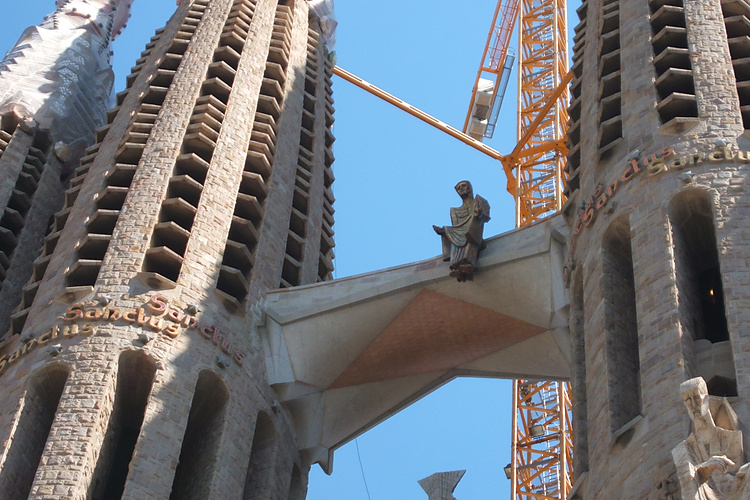
The towers of Sagrada Família stand out in Barcelona’s cityscape, and the church offers different experiences of light and form inside and out. It makes an ideal centerpiece for a journey through Gaudí’s architecture, while views from the surrounding blocks help you appreciate its scale.For highlights, opening hours, prices, and more information about Sagrada Família, see the article below.
 Sagrada Família: Highlights, Opening Hours, Prices and How to Get ThereThis guide covers the history of the Sagrada Família, its architectural, scenic and exhibition highlights, opening hours, prices and access, based on official information and local reporting as of October 2026.michikusatravel.com
-
2ndPark Güell


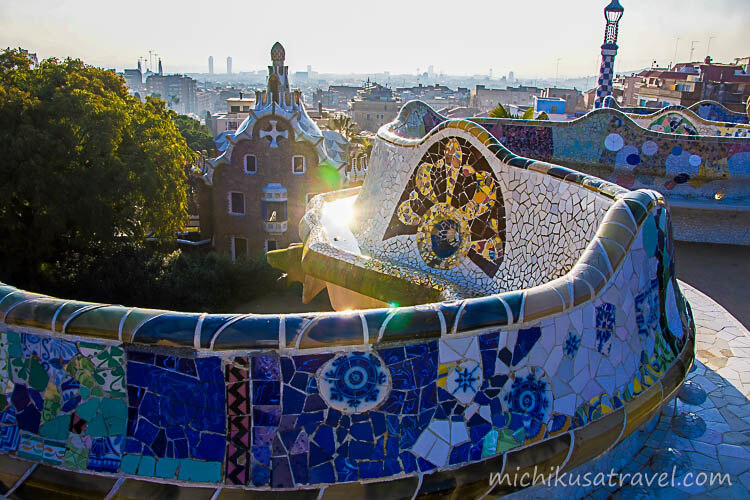
Park Güell is a park designed by Antoni Gaudí that makes use of the natural terrain and trencadís mosaic decoration. As you explore the terraces of the central plaza and the undulating colonnades, you can enjoy a panoramic view of Barcelona. For more details, please see the article below.
 Park Güell: Highlights, opening hours, tickets and accessBased on official information and local research as of 2026 10, this guide explains the highlights of the World Heritage Site Park Güell, including the grand staircase, undulating bench and colonnaded hall, along with opening hours, tickets and access.michikusatravel.com
-
3placeCasa Batlló


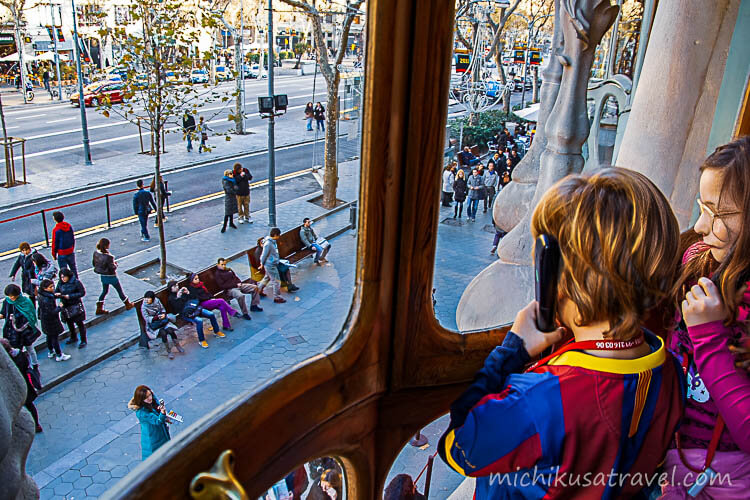
Casa Batlló is a residence remodeled by Antoni Gaudí and a representative work of Catalan Modernisme. Visitors can see the facade known as the “House of Bones,” the blue-tiled atrium, and the freely sculpted rooftop forms. For more details, see the article below.
 Casa Batlló: Highlights, Visit Duration, Tickets and AccessWe explain the highlights of Casa Batlló, including its exterior, blue-tiled atrium, and rooftop, along with opening hours, tickets, and access, based on official information and local research as of 2026 10.michikusatravel.com
-
4thCasa Milà

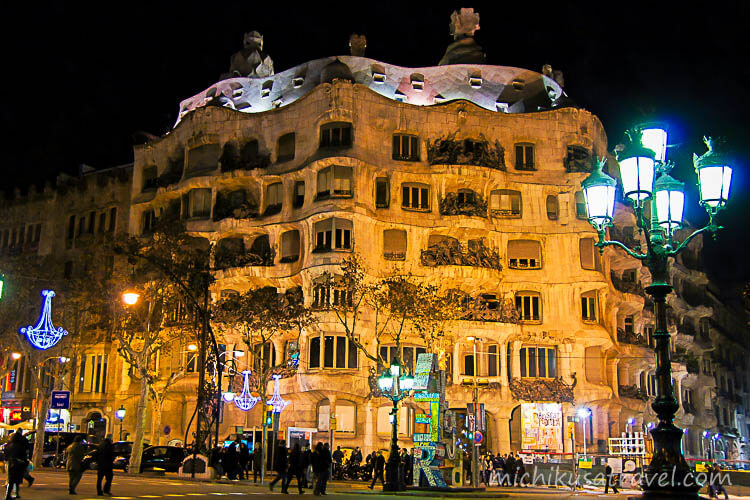
The undulating façade facing Passeig de Gràcia makes a striking impression amid the orderly cityscape. If you visit all the way up to the rooftop, you can enjoy the building’s architectural curves and views of central Barcelona as one seamless experience.For details about Casa Milà’s highlights, opening hours, admission fees, and more, please see the article below.
 Casa Milà: highlights, opening hours, prices, and how to get thereThis guide covers Casa Milà’s history, highlights including its architecture, scenery, and exhibitions, opening hours, prices, and access, based on official information and on-site research as of October 2026.michikusatravel.com
-
5thGothic Quarter
The old town, where medieval lanes and squares continue like a maze, letting you explore stone buildings and traces of the Roman era on foot.

At the Royal Palace (Palau Reial Major) at the far end of Royal Square, you can visit the palace's Saló del Tinell and the Santa Ágata Chapel standing beside it.The Bishop's Palace of Barcelona (Palau Episcopal de Barcelona) is the bishop's residence in Barcelona's Gothic Quarter. It stands right next to the Cathedral of Santa Eulàlia. While the cathedral is the center of worship and ceremonies, the bishop's residence has served as the base of the church organization.

Bishop's Bridge (Pont del Bisbe) is a small bridge in Barcelona's Gothic Quarter. It connects the Catalan autonomous government's building with Casa de la Canonja, once the residence of clergy. It looks like a medieval structure, but is actually a Neo-Gothic bridge built in 1928.| Barcelona.catwww.barcelona.cat -
6placeBarcelona Cathedral / Cathedral of Santa Eulalia


The Cathedral of Santa Eulalia is a Catalan Gothic cathedral where you can visit the main altar, the crypt of Saint Eulalia, and the rooftop. The cloister is home to 13 white geese associated with the legend of Saint Eulalia. For more information, see the article below.
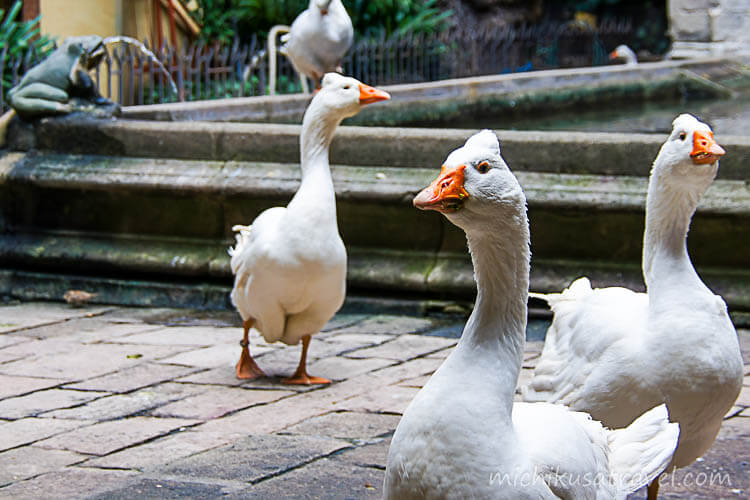 Barcelona Cathedral / Cathedral of Santa Eulalia: highlights, visiting hours, admission fees and accessThis guide covers the crypt of Saint Eulalia, the rooftop, and the geese in the cloister of Barcelona Cathedral (Cathedral of Santa Eulàlia), as well as visiting hours, admission fees, and access, based on official information and on-site research as of 2026 year 10 month.michikusatravel.com
-
7thPalau de la Música Catalana

Palau de la Música Catalana is a concert hall designed by the architectLluís Domènech i Montaner. It was built between 1905 and 1908.Alongside Gaudí, Montaner is one of the architects who represent Catalan Modernisme.
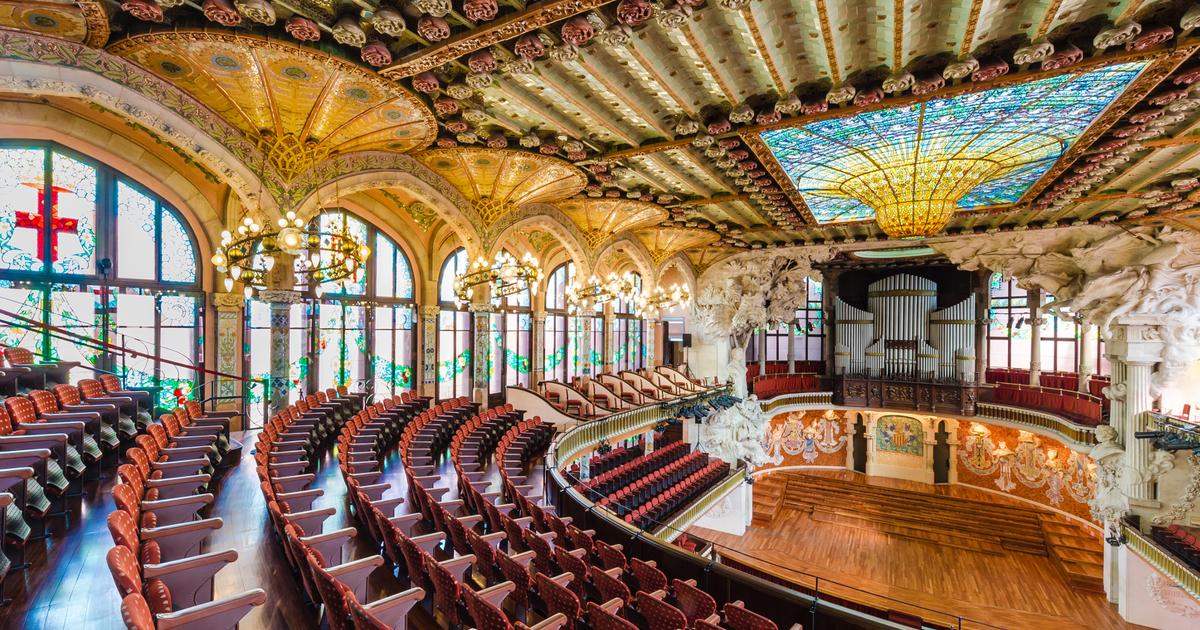 Palau de la Música CatalanaOne of the most emblematic works of Catalan modernism right in the heart of Barcelona. Concerts, guided tours, and ...www.palaumusica.cat
-
8placePicasso Museum (Barcelona)
The museum occupies a group of medieval palaces in the Gothic Quarter. By viewing works from Picasso’s youth, particularly from his Blue Period, you can trace his artistic development.
Picasso museum Barcelona | Official websitemuseupicassobcn.cat -
9placeBasilica of Santa Maria del Mar
This famous basilica stands amid the streets of the Gothic Quarter. In addition to viewing the exterior, you can go inside and take your time exploring the distinctive space of a basilica.
https://www.santamariadelmarbarcelona.org/www.santamariadelmarbarcelona.org -
10placeNational Art Museum of Catalonia

The Museu Nacional d'Art de Catalunya is an art museum on Montjuïc Hill. It was built for the 1929 Barcelona International Exposition.
In front of the National Art Museum of Catalonia is the Magic Fountain (Font Màgica de Montjuïc). You can enjoy a spectacular fountain show combining light, water, and music.Home CAWeb oficial del Museu Nacional d'Art de Catalunya. Coneix la col·lecció d'art i posa't al dia amb les exposicions i...www.museunacional.cat -
11thMontjuïc
This open hillside overlooks the city and port. You can explore its various areas on foot, visiting the castle, gardens, Olympic facilities, and cultural institutions along the way.
Las sorpresas de Montjuïc - Turisme de BarcelonaExplora la vibrante escena cultural de Barcelona. Descubre rutas por la ciudad, opciones de transporte público, tou...www.barcelonaturisme.com -
12thHospital de Sant Pau

Hospital de Sant Pau is a hospital complex designed by Montaner, like the Palau de la Música Catalana. It was built over approximately 30 years, from 1902 to 1930.Known as “the Palau de la Música Catalana and Hospital de Sant Pau in Barcelona,” it is registered as a UNESCO World Heritage Site together with the Palau de la Música Catalana.
Recinte Modernista Sant Pau Barcelona | Web OficialEl Recinte de Sant Pau de Barcelona és una joia Modernista i Patrimoni Mundial des del 1997. Escull entre visita ll...santpaubarcelona.org -
13thJoan Miró Museum (Fundació Joan Miró)
The Joan Miró Museum (Fundació Joan Miró) is located on Montjuïc. You can explore the museum and view the artworks while combining your visit with a walk around the hill.
 Fundació Joan Miró | Barcelona Museum | Art, architecture and landscape | Fundació Joan MiróA place to experience the art of Joan Miró and other twentieth and twenty-first century artists, a space for partic...www.fmirobcn.org
-
14.La Rambla
This tree-lined boulevard runs from Plaça de Catalunya to the port. Walking among markets, theaters, and street sculptures lets you experience the bustle of the old town.
La Rambla - Tourism of BarcelonaDiscover the most emblematic street in Barcelona: the Rambla. Walk and discover its atmosphere and the most well-kn...www.barcelonaturisme.com -
15thLa Boqueria Market

La Boqueria Market (La Boqueria) is a historic food market along La Rambla in central Barcelona. Its origins date back to the Middle Ages, and the present market was developed in the 19th century.
Stalls selling fruit, vegetables, cured ham, cheese, seafood, meat, prepared foods, and more line the market, supporting the local food culture.www.boqueria.barcelonawww.boqueria.barcelona -
16placeMagic Fountain
This large fountain at the foot of Montjuïc offers a spectacular view with the stairs and the National Art Museum of Catalonia in the background. During performances, you can enjoy a show combining water, light, and music.
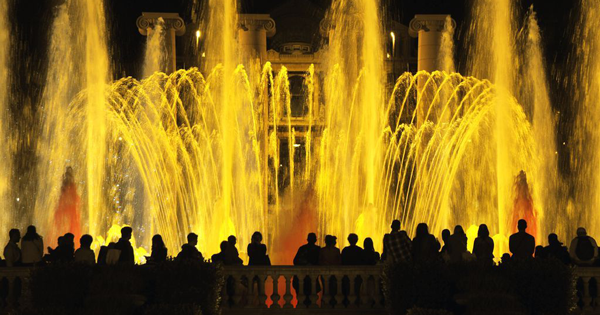 Magic Fountain of MontjuïcDon’t miss the city’s most famous light, water and music spectacle. Check the calendar and dates to enjoy one of Ba...www.barcelona.cat
-
17placePalau Güell
Gaudí designed this residence for the industrialist Güell. Inside, visitors can explore the parabolic arches, while the rooftop features colorful chimneys.
Palau Gテシellinici.palauguell.cat -
18.Passeig de Gràcia
This is a broad avenue lined with buildings such as Casa Batlló and Casa Milà, as well as shops. It serves as the main route for walking tours tracing Catalan modernist architecture.
Passeig de Gràcia - Turisme de BarcelonaExplora la vibrant escena cultural de Barcelona. Descobreix rutes per la ciutat, opcions de transport públic, tours...www.barcelonaturisme.com -
19placeBarceloneta
Barceloneta is a triangular neighborhood stretching between the old port and the coast. Narrow, straight streets run through it, and its history has long been connected with fishing and other work related to the sea. You can also stop by the beach and the restaurants and tapas bars in the neighborhood.
La Barceloneta - Turisme de BarcelonaDescobriu la Barceloneta, un barri al costat del mar i la platja de Barcelona que es caracteritza pels seus carrers...www.barcelonaturisme.com -
20placeTibidabo
Tibidabo is a panoramic area overlooking Barcelona. Along with the sweeping city views, you can enjoy amusement park rides and shows.
Parque de atracciones TibidaboDisfruta de un día inolvidable en el Parque de atracciones Tibidabo y disfruta de las mejores vistas de Barcelona. ...tibidabo.cat


View rank 21 and below (5 items)
-
21placeCamp Nou
A stadium known as FC Barcelona’s home ground. During the renovation period, check the latest visiting information, including details about the club museum.
Spotify Camp Nou | FC Barcelona Official ChannelSpotify Camp Nou, a five star stadium. Discover its history.www.fcbarcelona.com -
22placePlaça de Catalunya
This is a large square on the boundary between the Old Town and the Eixample district. It is a transportation and sightseeing starting point for walks along La Rambla and Passeig de Gràcia.
Plaça de Catalunya - Tourism of BarcelonaExperience Barcelona's rich cultural scene with our event agenda. Discover city routes, public transport options, t...www.barcelonaturisme.com -
23placePlaça Reial
This square is surrounded by arcaded buildings and palm trees. You can stroll among the restaurant terraces while admiring Gaudí’s early streetlights.
Plaça Reial - Tourism of BarcelonaExperience Barcelona's rich cultural scene with our event agenda. Discover city routes, public transport options, t...www.barcelonaturisme.com -
24placeCasa Vicens
Casa Vicens is a residence designed by Gaudí early in his career. Visitors can see the vivid tiles decorating the building and ornaments reminiscent of Islamic architecture.
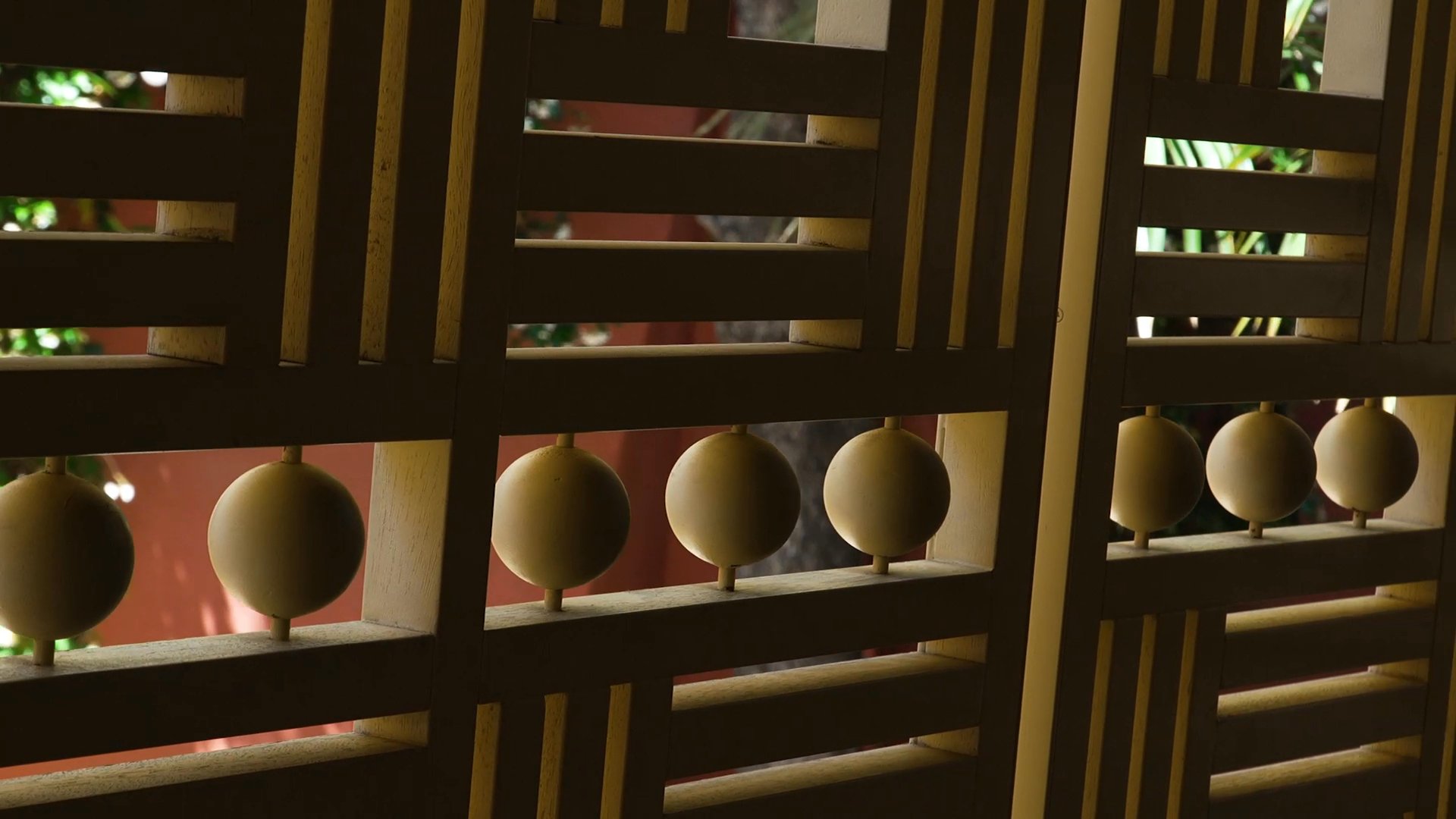 La primera casa de Gaudí en BarcelonaWeb oficial de Casa Vicens, museo modernista de Antonio Gaudí en Barcelona y primera casa diseñada por el arquitect...casavicens.org
-
25thErotic Museum
This small museum is located along La Rambla. Inside, you can trace the history of erotic expression through art, ethnographic materials, film, and more.
 Museo Erótico de BarcelonaNuestras 10 estancias son el resultado de una colección privada forjada durante años y viajes. Primer museo erótico...www.erotica-museum.com


Barcelona Cuisine
The information below was checked against official sources on September 16, 2026. Please also check the latest information on the official website when planning your trip.
Barcelona's specialties
- Pa amb tomàquet: A Catalan classic made by rubbing ripe tomato onto bread and finishing it with salt and extra-virgin olive oil.
- Escalivada: A dish of roasted eggplant, bell pepper, onion, and other ingredients, served with olive oil.
- Bomba de la Barceloneta: A Barcelona tapa consisting of a round, meat-filled potato croquette served with spicy sauce or aioli.
- Crema catalana: A dessert of cream scented with cinnamon and lemon zest, topped with a layer of caramelized sugar.
Catalan cuisine makes the most of local seasonal ingredients from the sea, mountains, and fields.

Barcelona’s best restaurants
Can Culleretes
This Catalan restaurant on Carrer de Quintana in the Gothic Quarter was founded in 1786. It serves traditional dishes made with market ingredients and homemade desserts, and reservations can be made through the official website.
Official website

Bodega La Palma
A gastronomic bodega in the Gothic Quarter (Barri Gòtic). Enjoy traditional Catalan cuisine paired with wine and cava.
Official website

Transportation in Barcelona
The information below was checked against official sources on September 16, 2026. Please also check the latest information on the official website when planning your trip.
Railways

Barcelona Sants Station is a major terminal in the Sants district. Medium- and long-distance trains, the high-speed AVE railway, and Rodalies commuter trains arrive and depart here. It is also connected to Sants Estació metro station.
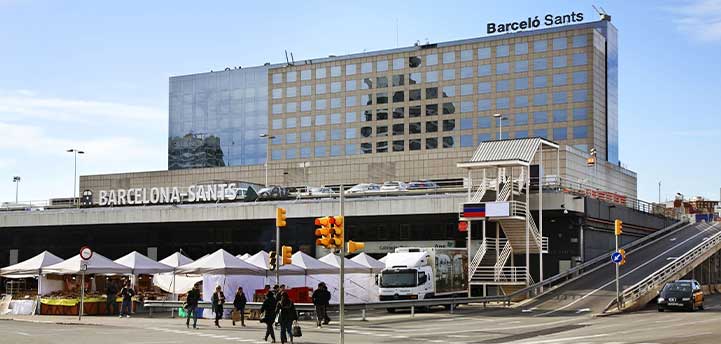
Metro and buses
TMB’s metro and city buses are convenient for visiting the city’s attractions. T-casual is a ticket for 1 person with 10 trips, but it cannot be used at Aeroport T1 or Aeroport T2 stations on L9 Sud, so be sure to get a suitable ticket at the airport station.

Suggested Barcelona Itinerary
Barcelona is a major city with an extensive metro network. The main tourist attractions can be reached by metro.
The lines that are particularly convenient for tourists includeMetro Line 5 (L5) and Metro Line 3 (L3). Both lines also connect at Barcelona-Sants Station, next to Sants Estació Station, Barcelona’s railway terminal.
Barcelona – Day 1
Open the same route in Google Maps
This is a primarily walking route connecting Sant Pau Hospital, the Sagrada Família, Casa Milà, and Park Güell. The metro can be used as an alternative upon arrival or depending on your energy and available time.
Loading the map.
- ①Sant Pau–Dos de Maig station → ②Sant Pau HospitalCalculating the route in Google Maps
from Sants Estació or elsewhereMetro line 5 (L5)to Sant Pau / Dos de Maig station. Head to the hospital via Carrer de la Indústria and Carrer del Dos de Maig.
- ②Sant Pau Hospital → ③Sagrada FamíliaCalculating the route in Google Maps
Walk along Av. de Gaudí to the Sagrada Família.Metro line 5 (L5)You can also travel to Sagrada Familia station.
- ③Sagrada Família → ④Casa MilàCalculating the route in Google Maps
Continue southwest along Carrer de Provença to Casa Milà. If you use Metro line 5 (L5), Diagonal is the nearest station.
- ④Casa Milà → ⑤Lesseps stationCalculating the route in Google Maps
Head to Lesseps station via Carrer de Provença, Passeig de Gràcia, and Carrer Gran de Gràcia.
- ⑤Lesseps station → ⑥Park GüellCalculating the route in Google Maps
Head to the entrance of Park Güell via Pl. de Lesseps, Trav. de Dalt, Carrer de Larrard, and Carrer d'Olot.
Barcelona – Day 2
Open the same route in Google Maps
metro line 3 (L3)andmetro line 4 (L4)This walking route starts at Passeig de Gràcia station, served by these lines, and connects on foot to Espanya station. The total is approximately 4.8 km and about 1 hour 6 minutes on foot, with a section using stairs in the old town.
Loading the map.
- ①Passeig de Gràcia station → ②Casa BatllóCalculating the route in Google Maps
Walk via Pg. de Gràcia and Carrer del Consell de Cent toward Casa Batlló.
- ②Casa Batlló → ③Palau de la Música CatalanaCalculating the route in Google Maps
Walk via Pg. de Gràcia, Carrer del Consell de Cent, Carrer de Pau Claris, Via Laietana, and Carrer de Sant Pere Més Alt. There are stairs near the end.metro line 4 (L4)If using it, Urquinaona station is also available.
- ③Palau de la Música Catalana → ④Santa Eulàlia CathedralCalculating the route in Google Maps
Walk via Carrer de Sant Pere Més Alt, Via Laietana, Carrer del Dr. Joaquim Pou, Av. de la Catedral, and Pla de la Seu. Use the stairs at Pla de la Seu. The area around Santa Eulàlia Cathedral isthe Gothic Quarterand is Barcelona's old town, with a strongly preserved medieval character.
- ④Santa Eulàlia Cathedral → ⑤La Boqueria MarketCalculating the route in Google Maps
Walk to the market via Carrer del Bisbe, Plaça Nova, Carrer dels Boters, Carrer de la Portaferrissa, and Carrer del Carme.
- ⑤La Boqueria Market → ⑥Palau GüellCalculating the route in Google Maps
From Plaça de Sant Josep, head south along La Rambla and turn onto Carrer Nou de la Rambla.
- ⑥Palau Güell → ⑦Drassanes stationCalculating the route in Google Maps
Walk via Carrer de Guàrdia, Carrer de Montserrat, and Carrer del Portal de Santa Madrona.
- ⑦Drassanes station → ⑧Espanya stationCalculating the route in Google Maps
Continue southwest along Avinguda del Paral·lel; this is the longest walking section of the day.metro line 3 (L3)You can also travel from Liceu or Drassanes station, near Palau Güell, to Espanya station.
Barcelona Side Trips
We introduce sights we happened to come across in Barcelona, along with scenes that suddenly caught our attention.

For the Sagrada Família, described as the “unfinished cathedral,” the cranes now almost look like part of the structure itself. I’m viewing it from Gaudí Avenue (Av. de Gaudí).

SardanaThis is a traditional Catalan dance. Many men and women hold hands, form a circle, and perform small steps.

The building in the background with the striking egg-shaped dome is the former bullring called La Monumental. Since bullfighting was banned, it has been used for events and other purposes.
The Carrer de la Marina just ahead is a wide road with 5 lanes in each direction. It looks as if it is waiting for the race-start signal to make a rocket launch.

"TMB" is short for "Transports Metropolitans de Barcelona," the main operator of the metro and city buses in the Barcelona metropolitan area. A woman wearing a FOSSIL watch smiles at the streets of Barcelona.

This is Via Laietana. A yellow, box-shaped vehicle is approaching.

PROSEGUR is a multinational security company based in Madrid. This vehicle is its armored car. The design is solid and rugged, but the tapered waist is sexy.

GoCar is an attraction that lets you explore Barcelona in a small electric car for 2 people. The vehicle is equipped with GPS and an audio guide, so you can enjoy the drive while listening to explanations about the city’s history and tourist attractions.

It was formerly an unusual 3-wheeled vehicle resembling a modified motorcycle, but it now appears to have been changed into a 4-wheeled cart.

"XURRERIA" and "XOCOLATERIA" mean churros shop and chocolate shop, respectively, in Catalan. Churros are fried pastries originating in Spain and are traditionally served with hot chocolate.

The color of the bin determines what type of waste goes in it: blue is for paper such as cardboard, green is for glass, yellow is for containers such as plastic and cans, brown is for organic waste such as food scraps, and gray is for other waste. The green bin is narrower, presumably to prevent it from becoming too heavy when full of glass.

This is a small garbage collection truck. "Barcelona pel Medi Ambient Neteja" is written on it in Catalan. It means something like “Barcelona City environmental and cleaning services.” In a way, it resembles Japan’s light kei vans.

This is a street sweeper. In Japan, you may occasionally see large ones on highways, but it is very rare to see small ones resembling golf carts on ordinary roads.

The flow of the Coca-Cola River is formed along a complicated route. The cobblestones are probably more sloped and uneven than they look. Time for the street sweeper.
Construction machinery

It is a small wheel loader. The square lights are charming.

This is a BG drilling rig made by the German company Bauer. Rather than driving piles in with impacts as in conventional methods, it drills while rotating, significantly reducing vibration and noise. This makes it possible to carry out work safely even near World Heritage sites such as Casa Milà.
Railway vehicles

The Renfe 120-series train is a trainset for the Alvia high-speed services operated by Spain’s national railway Renfe. It is equipped with a variable-gauge system that can change the wheel gauge to match the width of the tracks. It can run on both high-speed rail lines with standard gauge and conventional lines with Iberian gauge. This train was stopped at Barcelona Sants Station.