About Wakkanai
Wakkanai is a city at the northernmost tip of Hokkaido, and therefore the northernmost point of Japan. Directly to the north, across the Soya Strait, lies Sakhalin.
Japan’s northernmost point, Sōya Capeis surely one of the places every Japanese person would like to visit at least once.
Wakkanai is home to many of Japan’s northernmost places and facilities, including the northernmost station, airport, police station, post office, and convenience store.
Rishiri Island and Rebun Island lie west of Wakkanai and can be reached from the Wakkanai Ferry Terminal. Wakkanai is the gateway to sightseeing on Rishiri Island and Rebun Island.
For information about attractions, food, and transportation on Rishiri Island, please see the article below.

For information on sights, food, and transportation on Rebun Island, please see the article below.

Wakkanai Tourist Attractions
Here are the recommended attractions in Wakkanai, presented as a ranking.
October 4, 2026 We checked each attraction’s official information.
-
1placeCape Soya
 A monument marks Japan’s northernmost point, and Sakhalin can be seen beyond the Soya Strait. Nearby are a statue of Mamiya Rinzō and Cape Soya Park, allowing you to experience both the landscape symbolizing the “northernmost point” and the history of the north.
The article below provides detailed information about Cape Soya’s highlights, time required, and access.
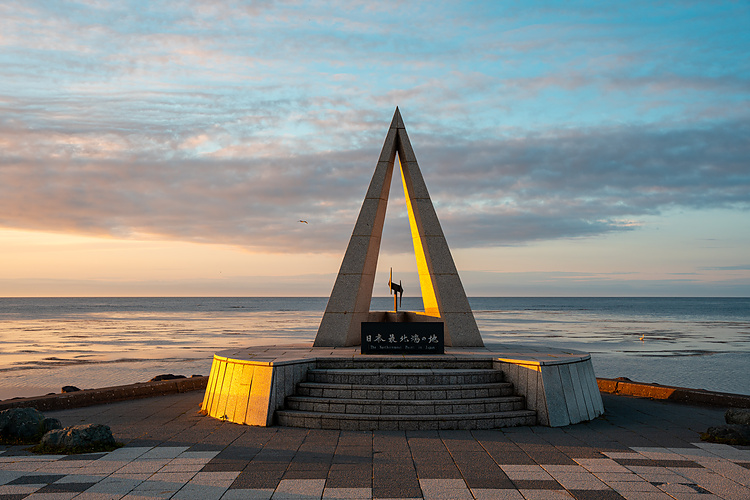 Cape Soya: Highlights, parking, time required, and accessThis guide explains the highlights of Cape Sōya, including the monument marking Japan’s northernmost point, the standing statue of Mamiya Rinzō, and Cape Sōya Park, along with the time required, parking, and access, based on official information and on-site research as of 2026 9.michikusatravel.com
-
2placeSoya Hills
 Image: Yasu / Wikimedia Commons (CC BY-SA 3.0, cropped, resized, and sharpened)The Soya Hills feature a periglacial landform created by freezing and thawing during the Ice Age. Gently rolling, sparsely wooded hills overlap in layers, creating a deep landscape distinct from Cape Soya along the coast. The footpath lets you experience the undulating terrain and its openness toward the sea.
The article below provides detailed information about the Soya Hills’ highlights, footpath, time required, and access.
Soya Hills: A guide to attractions, walking trails, time required, and accessThis guide explains the periglacial landforms and footpaths of the Soya Hills, highlights including the White Road in the hills, the period when they can be used, the time required, and access, based on official information as of 2026 year 9 month.michikusatravel.com -
3placeWhite Road
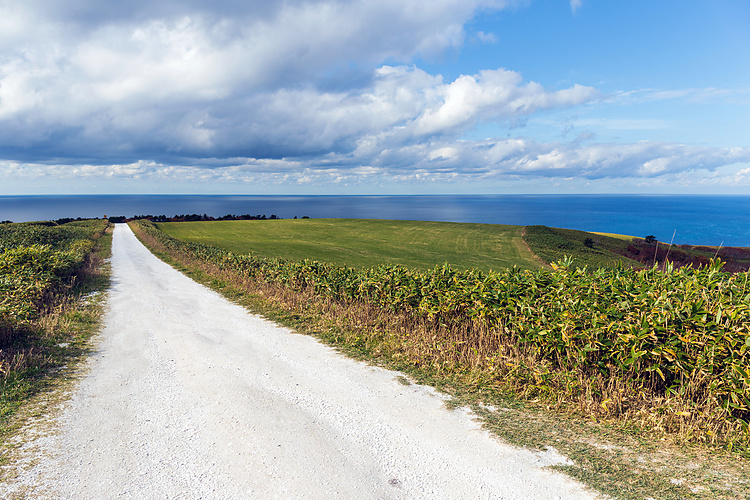 Image: Yasu / Wikimedia Commons (CC BY-SA 3.0, cropped, resized, and sharpened)The White Road is an approximately 3km scenic road winding through the gentle terrain of the Soya Hills; crushed scallop shells make its surface appear white. It is a scenic road within the Soya Hills, with the white surface continuing toward the sea and grasslands.
Check the official guidance from the Wakkanai Tourism Association for the operating period, recommended direction, and precautions for use on site.
 白い道|観光スポット|【公式】きた・北海道/稚内・利尻・礼文の観光WEBサイト特産のホタテの貝殻を敷き詰めた、約3kmの美しい道。青い海と緑の丘に映える、稚内随一の絶景スポット。緑豊かな宗谷丘陵の中を、紺碧のオホーツク海に向かってまっすぐに伸びる「白い道」。この道の正体は、稚内の名産であるホタテの貝殻です。...www.north-hokkaido.com
-
4placeWakkanai Port North Breakwater Dome
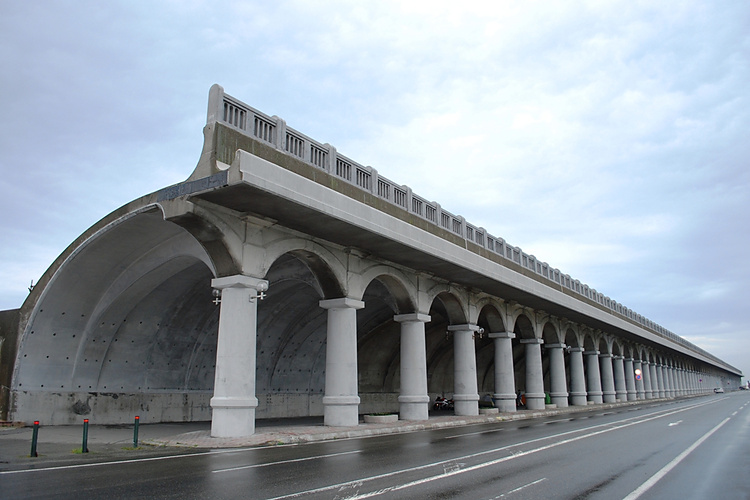 Image: Captain76 / Wikimedia Commons (Public domain, cropped, resized, and sharpened)This landmark of Wakkanai Port features a series of half-arches reminiscent of ancient Roman architecture and 70 columns. It once protected passengers transferring to the Karafuto route from snow and wind, and has been selected as Hokkaido Heritage and as a recommended civil-engineering heritage site.
The article below provides detailed information about the Wakkanai Port North Breakwater Dome’s highlights, history, and access.
 Wakkanai Port North Breakwater Dome: Highlights, history, time required, and accessThis guide explains the highlights of Wakkanai Port North Breakwater Dome, including its half-arch and columns, its history connected with the Chihaku route and railway, the time required, and access, based on official information as of September 2026.michikusatravel.com
-
5placeCape Noshappu
 A cape extending into the sea west of Wakkanai. Nearby are the red-and-white Wakkanai Lighthouse and the municipal aquarium and science museum Wakkarium, so coastal scenery and family-friendly facilities can be visited in the same area.
 Image: Mamusi Taka / Wikimedia Commons (CC BY-SA 3.0, cropped, resized, and sharpened)The Sea of Japan opens to the west of the cape, and on clear days you can see Rishiri Island and Rebun Island. It is also a popular sunset spot and easy to visit at the end of a day exploring central Wakkanai.
For details about the sunset views, nearby facilities, and access from central Wakkanai, see the article below.
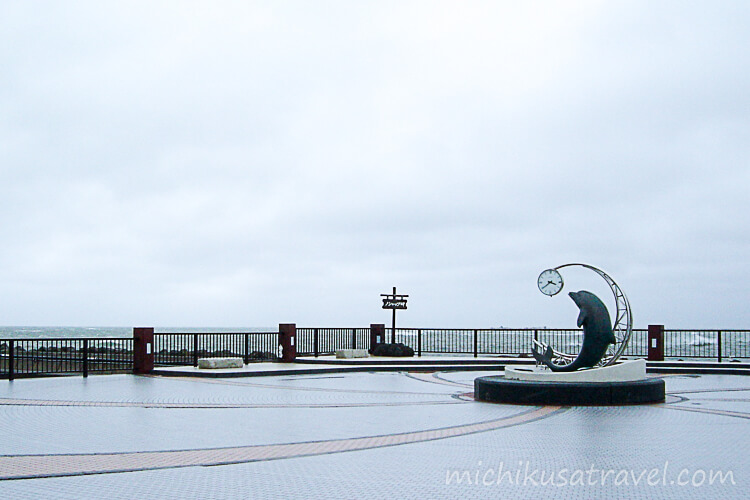 Cape Nosyappu: Highlights, parking, time required, and accessThis guide explains highlights such as the evening scenery at Cape Nosappu, Mount Rishiri, and Wakkanai Lighthouse, along with time required, parking, and access, based on official information and local reporting as of 2026 9.michikusatravel.com
-
6placeWakkanai Park
 The park spreads across a hill overlooking central Wakkanai. The Wakkanai City Northern Memorial Museum and Centenary Founding Tower display materials about Mamiya Rinzō, the Ainu people, and the history of Wakkanai and Karafuto. The grounds also contain monuments such as the Gate of Ice and Snow.
Detailed information about Wakkanai Park is available on the page below.
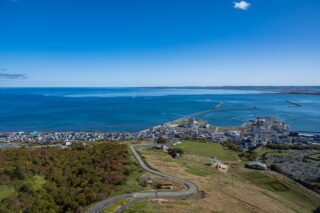 稚内公園|観光スポット|【公式】きた・北海道/稚内・利尻・礼文の観光WEBサイト稚内市街を眼下に見下ろす広大な公園。歴史的モニュメントが点在し、夜には美しい夜景も楽しめます。稚内港を見下ろす丘陵地に広がる稚内公園は、約45.2haの敷地を持つ自然豊かな公園です。高台へと続く坂道を上がれば、頬をなでる爽やかな風...www.north-hokkaido.com
-
7placeWakkarium
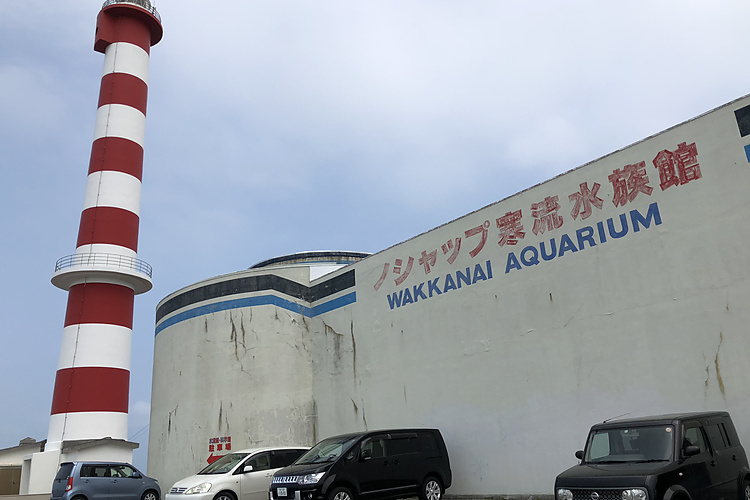 Image: Totti / Wikimedia Commons (CC BY-SA 4.0, cropped, resized, and sharpened)A complex comprising the Noshappu Cold-Water Aquarium and the Wakkanai City Youth Science Museum. You can encounter creatures from northern seas and science exhibits, adding family-friendly and rainy-day options to Wakkanai tourism centered on natural scenery.
Detailed information about Wakkarium is available on the page below.
 わっかりうむ ノシャップ寒流水族館稚内市ノシャップ寒流水族館の公式ホームページ。ご利用案内、お知らせ・イベント情報など。www.city.wakkanai.hokkaido.jp

Wakkanai Cuisine
The information below was checked against official sources on September 16, 2026. Please also check the latest information on the official website when planning your trip.
Wakkanai specialties
- Takoshabu: a dish of thinly sliced giant Pacific octopus landed in Wakkanai and dipped in broth.
- Soya Black Beef: branded beef raised in the Soya Hills, enjoyed in dishes such as steak and rice bowls.
- Wakkanai Chamen: a local noodle dish popular in Wakkanai, featuring a thick sauce poured over grilled noodles.
- Yuchi potatoes: sweet-tasting potatoes harvested in the Yuchi area of Wakkanai during a limited period.


Wakkanai’s finest establishments
Kaisen Robata Urokotei
This seafood restaurant is close to Wakkanai Station and the ferry terminal. It features certified Wakkanai-brand products such as takoshabu, Soya Black Beef, and hokke.

Kita no Ajishin Takechan
This restaurant serves sushi and seafood dishes made with locally caught seafood. In addition to nigiri and chirashi, the menu includes Wakkanai’s specialty octopus shabu-shabu hot pot, horsehair and red king crab, tempura, and fried dishes.

Getting Around Wakkanai
The information below was checked against official sources on September 16, 2026. Please also check the latest information on the official website when planning your trip.
Railway

This is the old Wakkanai Station building, the northernmost station in Japan. The station building in the photo was the 3rd, while the current 4th station building opened in 2011.

The sign reading “Northernmost Point of Japan — Wakkanai Station” has now been moved onto the platform.


The section that was once Japan’s northernmost railway has now been moved inside the station grounds, while the tracks shown in the long-loved photographs have been preserved and displayed as a monument in front of the station. Japan’s southernmost JR station is Nishi-Ōyama Station in Kagoshima Prefecture. If JR is not the only criterion, Japan’s southernmost station is Akamine Station on Okinawa’s Yui Rail. Train timetables for JR Hokkaido services toward Sapporo and Asahikawa can be checked through Wakkanai City’s official transportation information.
Route buses
Soya buses are convenient for reaching attractions away from the station, such as Soya Cape and Nosshapu Cape. The official Wakkanai area website provides route maps, timetables, and seasonal schedules.

By air

Wakkanai Airport is Japan’s northernmost airport with scheduled flights. If airports that are currently out of service are included, Rebun Airport is Japan’s northernmost. Flight arrival and departure times and operating status can be checked in Wakkanai Airport’s official information.

By sea

Wakkanai Ferry Terminal is the departure point for boat trips to Rishiri and Rebun islands. It serves as the base for Heart Land Ferry, which operates routes to Rishiri and Rebun.

The waiting room displayed a large photograph of Rishiri Island and Mount Rishiri as seen from Rebun Island, known as the “Island of Flowers.”

This is the terminal’s boarding area. Check Heartland Ferry’s official timetable for services to Rishiri Island and Rebun Island.

Suggested itinerary in Wakkanai
Because Wakkanai’s attractions are mainly located in outlying areas such as Cape Sōya and Cape Nosyappu, you should plan on getting around by car.
Open the same route in Google Maps
Loading the map.
- ①Cape Nosappu → ②Wakkanai Port North Breakwater DomeCalculating the route in Google Maps
Assuming you arrive at Cape Nosappu via the Ororon Line, start your Wakkanai journey here. The area around Cape Nosappu also has attractions such as the Nosappu Cold Current Aquarium. Drive south from Cape Nosappu toward central Wakkanai for about 8 minutes to reach Wakkanai Port North Breakwater Dome. A little farther south is the Wakkanai Ferry Terminal, with ferries to Rishiri Island and Rebun Island.
- ②Wakkanai Port North Breakwater Dome → ③Cape SoyaCalculating the route in Google Maps
Drive along the coast from Wakkanai Port North Breakwater Dome and you will reach Cape Soya in about 36 minutes. Why not pause for a moment at Japan’s northernmost point?
- ③Cape Soya → ④Soya Hills White Road Start PointCalculating the route in Google Maps
Drive inland from Cape Soya for about 13 minutes to reach the Soya Hills White Road Start Point.
- ④Soya Hills White Road Start Point → ⑤Soya Hills White Road Finish PointCalculating the route in Google Maps
On the Soya Hills White Road, driving west from the Start Point toward the Finish Point is recommended.
A Side Trip in Wakkanai
We introduce scenes we happened to notice in Wakkanai, along with landscapes that suddenly caught our attention.

The lettering “Saihate” gives the sign a distinctive charm. Unfortunately, it was demolished as part of the redevelopment in front of the station.

This is Wakkanai Central Shopping Street.

Russian is written in large letters. This presumably reflects the fact that many tourists from Russia come here or used to come here.

This is a type of 6th-generation Toyota Dyna truck known as “Easy Riding.” To accommodate drivers who frequently get in and out, the cab was positioned ahead of the wheels, allowing the floor to be lowered. Sales were sluggish, making this a rare model that is hardly ever seen in town.

This is the Milieu R electric microcar from Takeoka Jidosha.

This shows seagulls being fed snacks on the deck of the ferry that left Wakkanai Port.
Railway Carriages

This is a JR Hokkaido KiHa 54 diesel railcar that was stopped at Wakkanai Station. The KiHa 54 comes in 2 types: a warm-region version designed for Shikoku and a severe-cold-region version designed for Hokkaido. The former is designated the 0 series, while the latter is designated the 500 series. “KiHa 54 506” was displayed on the front.
Ships

This is Heartland Ferry’s Boreas Soya, which was moored at Wakkanai Port. Together with Cypria Soya and Amapola Soya, newly built in 2020, the 3 vessels connect Wakkanai with Rishiri Island and Rebun Island.

This is Heart Land Ferry’s Cypria Sōya, which I saw at the same Wakkanai Port.

The Ains Soya was also moored at Wakkanai Port. Service ended in 2015.