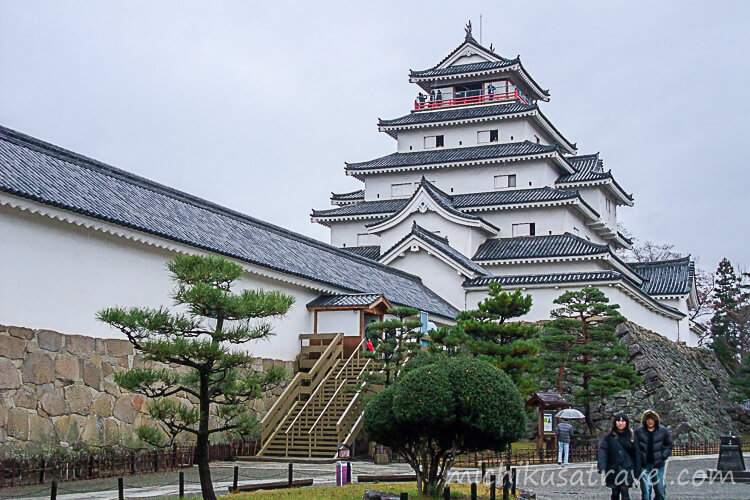
What is Aizu-Wakamatsu?
Fukushima Prefecture is divided into 3 regions from east to west: Hamadōri, Nakadōri, and Aizu. Aizuwakamatsu is the central city of Aizu.
Aizuwakamatsuthe castle town of Tsurugajo Castle (Aizuwakamatsu Castle)prospered as a castle town. For more than 200 years, from the Edo period through the Meiji period, Aizu was ruled by the Aizu Matsudaira family.
The Aizu Matsudaira family traces its origins to Masayuki Hoshina, the fourth son of Tokugawa Hidetada, the 2nd shogun of the Edo shogunate, and consistently supported the shogunate during the final years of the Edo period. Matsudaira Katamori, the 9th lord of the domain, was appointed Kyoto Military Governor and worked to maintain public order in Kyoto while leading the Shinsengumi.
Aizu-Wakamatsu was also the setting of the Boshin War (Aizu War). A unit composed of boys aged 13 to 17 faced the overwhelming strength of the new government forcesByakkotai. Part of the unit fled to Mount Iimoriyama, where they met a tragic end by taking their own lives.
During the Aizu War, Yaeko Yamamoto (Yaeko Niijima), known as the “Joan of Arc of the end of the shogunate,” also took up a rifle and joined the fighting. Yaeko survived the war and became the wife of Jo Niijima, founder of Doshisha University. Yaeko’s life is depictedin the NHK historical drama Yae no Sakura.
Aizu is also known as a production area for “Akabeko,” a type of papier-mâché figure. Aizuwakamatsu is home to a character called “Akabē,” inspired by Akabeko.
Aizu-Wakamatsu Tourist Attractions
Here are the recommended attractions in Aizuwakamatsu, presented as a ranking.
October 3, 2026 We checked each attraction’s official information.
-
1stTsuruga Castle
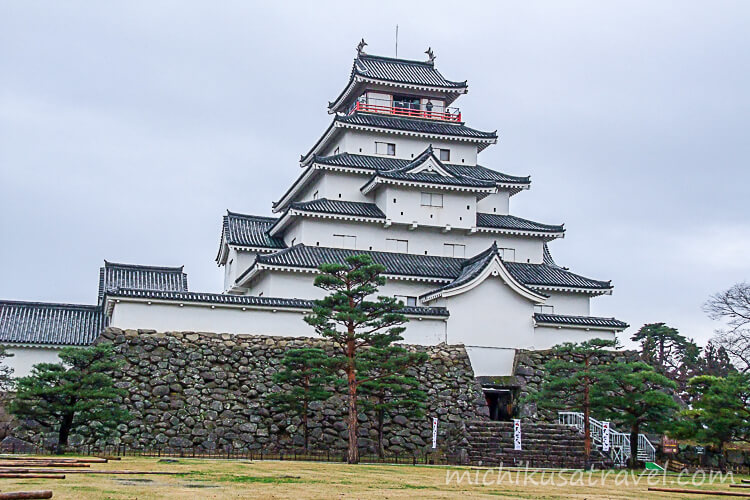
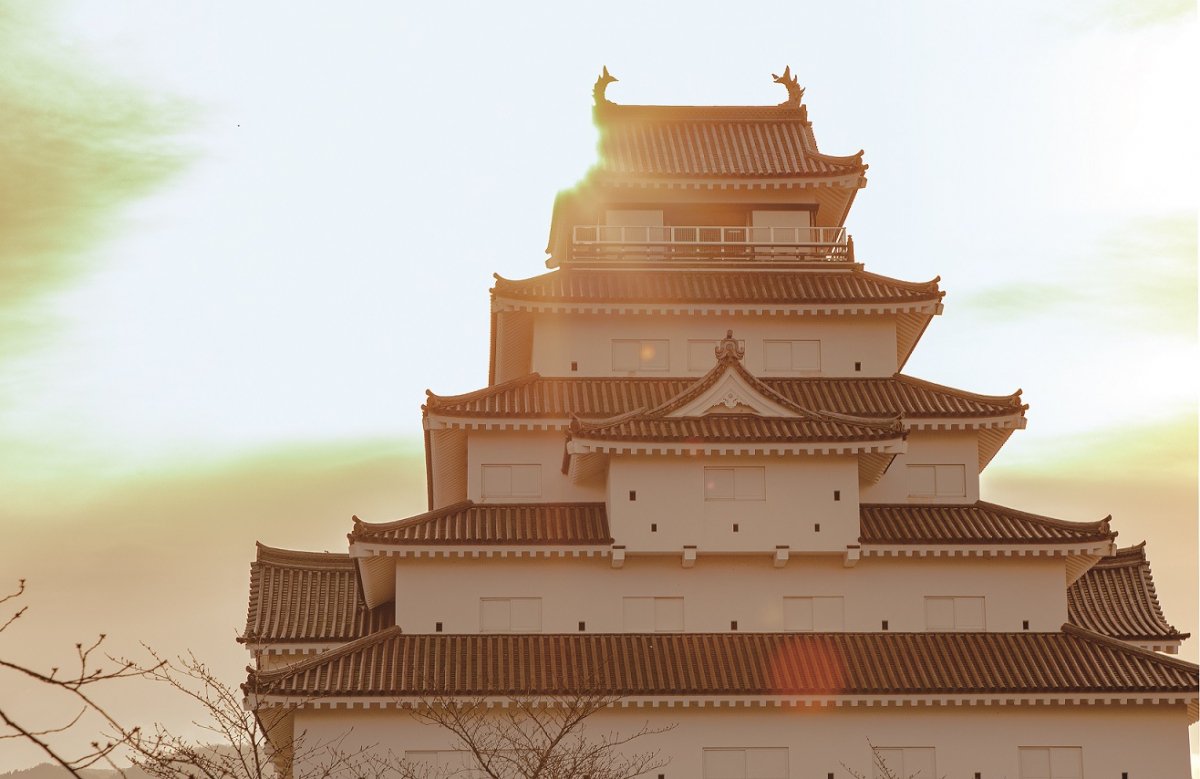
Located in the heart of the city, the castle helps you understand Aizu’s character as a castle town, so visiting it before heading to Nanokamachi or Mount Iimoriyama makes it easier to put the history of the city as a whole into context.For information on Tsuruga Castle’s highlights, opening hours, prices, and more, see the article below.
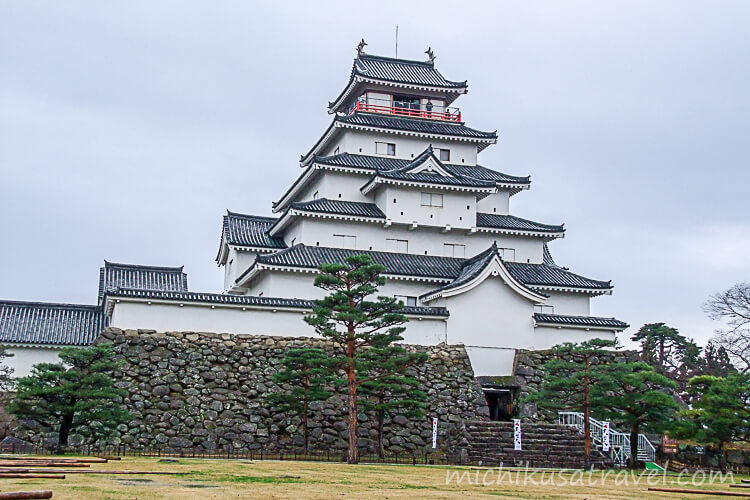 Tsuruga Castle: Highlights, opening hours, admission fees, and accessThis guide covers highlights such as Tsuruga Castle’s red-tiled main tower and the Rinkaku tea house, along with opening hours, admission fees, and access, based on official information and on-site research as of 2026 9.michikusatravel.com
-
2ndIimoriyama

Iimoriyama is home to historic sites connected with the Byakkotai and the Aizu War, including the graves of the nineteen members, the site of their mass suicide, the Tono-guchi-seki cave, and a monument donated by Rome. A paid escalator is also available from the foot of the mountain.
Visiting the Byakkotai Memorial Museum as well gives you a clearer understanding of the history experienced by the soldiers and the people of Aizu.For details about the highlights, time required, and access, see the article below.
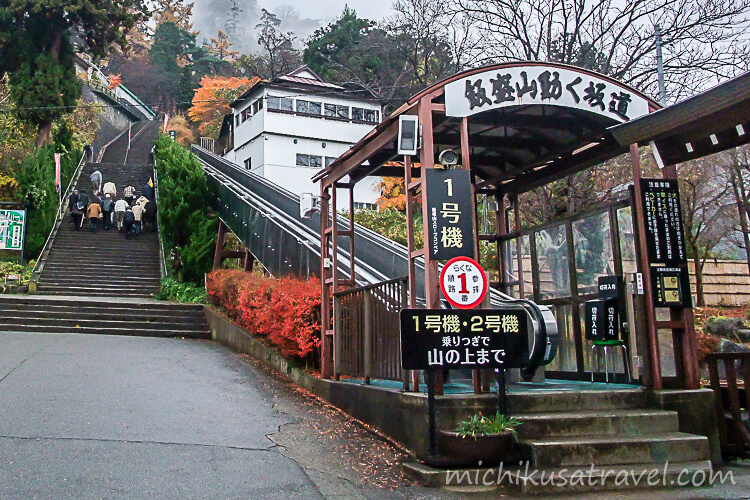 Mount Iimoriyama: Highlights, the Graves of the Nineteen Byakkotai Soldiers, Time Required, and AccessThis guide explains the highlights of Mount Iimori, including the graves of the nineteen members of the Byakkotai, the site of their suicide, Tonoguchi Canal Cave, the monument donated by the city of Rome, and the Byakkotai Memorial Museum, along with the time required and access information, based on official information and on-site research as of 2026 year 9 month.michikusatravel.com
-
3placeAizu Sazae-dō
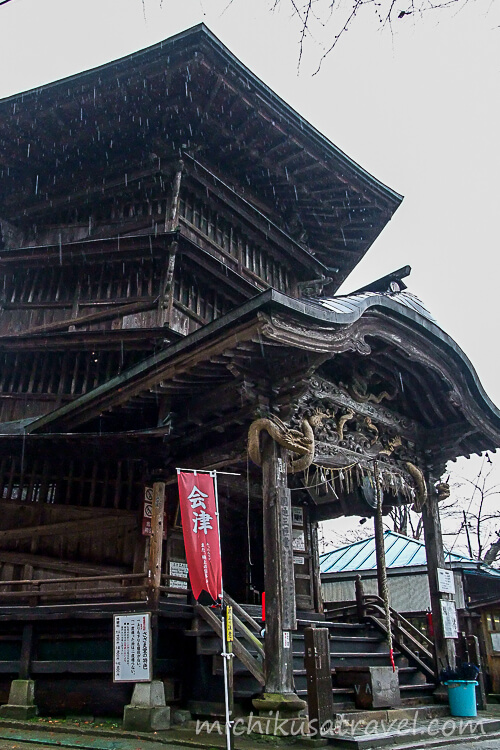
This is a Buddhist hall with a distinctive appearance that remains on Mount Iimoriyama. Along with visiting historic sites associated with the Byakkotai, you can experience its remarkable architecture with a double-helix structure.See the article below for information about Aizu Sazae-dō’s interior structure, highlights, visiting hours, and admission fees.
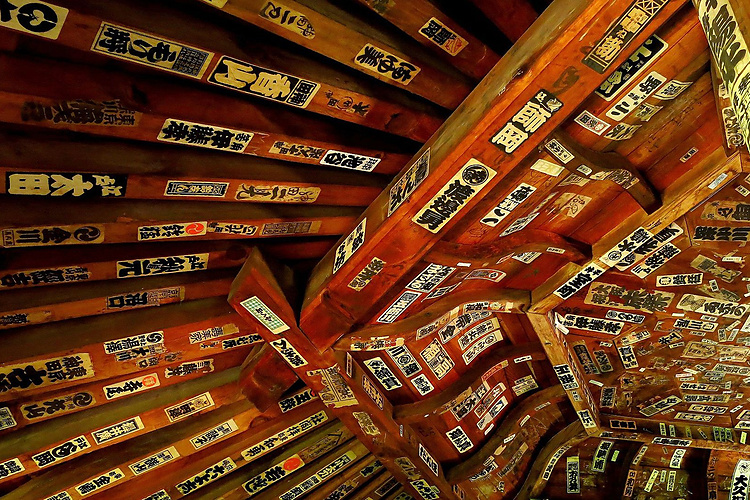 Aizu Sazaedō: Highlights, Visiting Hours, Admission Fees, and AccessThis guide explains the highlights of Aizu Sazae-dō, including its hexagonal three-story exterior and double-helix structure, along with visiting hours, admission fees, and access, based on official information and on-site research as of 2026 9.michikusatravel.com
-
4thTomb of the Nineteen Byakkotai Members
This is the tomb of the nineteen members of the Byakkotai on Mount Iimoriyama. It honors the soldiers who lost their lives in the Boshin War and conveys the memory of the war that remains in Aizu to this day.
Detailed information about the Tomb of the Nineteen Byakkotai Members is available on the page below.
【飯盛山】白虎隊十九士の墓幕末の大きな時代の流れの中で戊辰に散った白虎隊の霊が眠る|戊辰戦争のおり、16~17歳の少年たちで編成された白虎士中二番隊が戸の口原合戦場から退却し、滝沢峠の間道を通り、戸の口堰の洞門をくぐり飯盛山に辿り着くと、鶴ヶ城の天守閣は黒...www.aizukanko.com -
5placeAizu Bukeyashiki
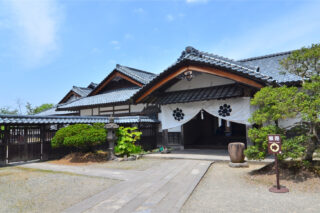
This historical complex is centered on the residence of Saigō Tanomo, chief advisor to the Aizu domain, and includes relocated and restored buildings such as the former Nakahata Jinya fortress, designated an important cultural property by the prefecture. Visitors can see samurai living spaces and exhibits related to the Aizu War.
Detailed information about Aizu Bukeyashiki is available on the page below.
 会津武家屋敷 公式サイト|歴史感動ミュージアム・会津若松の歴史観光会津武家屋敷は会津藩家老西郷頼母邸を中心に重要文化財の旧中畑陣屋や会津歴史資料館などが陣を連ねる総合ミュージアムパークです。bukeyashiki.com
-
6placeRinkaku Tea House
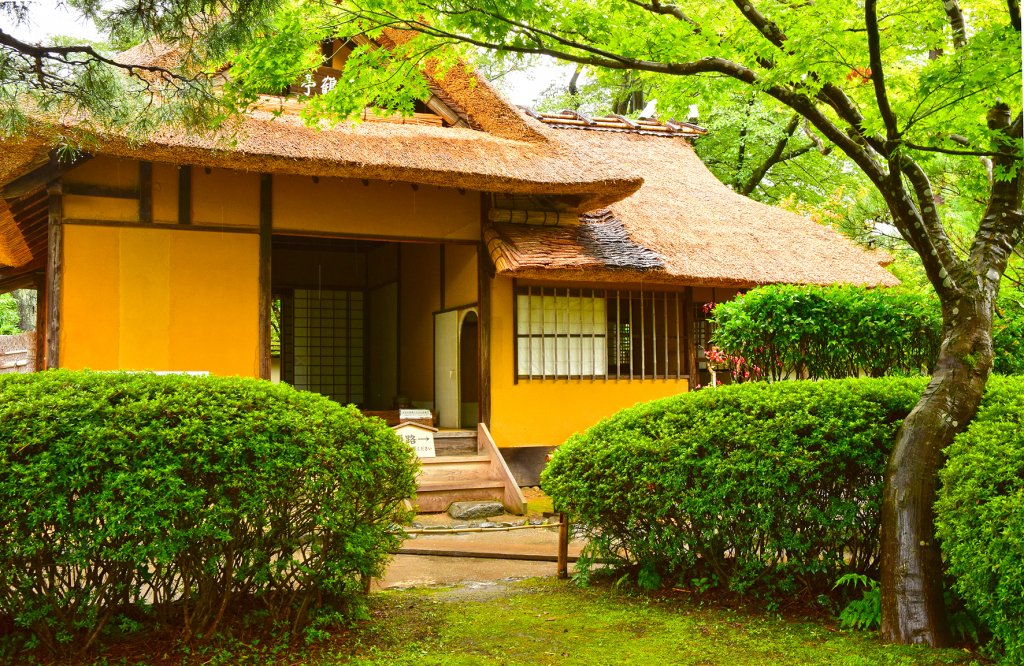
This tea house is associated with Sen no Shōan and was relocated and reconstructed within Tsuruga Castle. As you view the historic building, you can learn about the connection between Aizu and the tea ceremony.
Detailed information about Rinkaku Tea House is available on the page below.
 茶室麟閣(県指定重要文化財)千利休の子少庵ゆかりの茶室。庭園の四季を眺めながらお茶が楽しめます!|会津藩主蒲生氏郷の茶道の恩師千利休が自害したのち、氏郷がその子千少庵を会津に招き、茶道振興のため滞在させていたときに建てた茶室。明治7年に若松城解体の際、石州流...www.aizukanko.com
-
7placeOyaku-en
Oyaku-en is a nationally designated place of scenic beauty, established as the garden of the Matsudaira family, lords of the Aizu domain. A traditional daimyo-style landscape garden centered on a pond is combined with a medicinal plant garden, offering insight into Aizu’s garden culture and the history of growing medicinal herbs.
Detailed information about Oyaku-en is available on the page below.
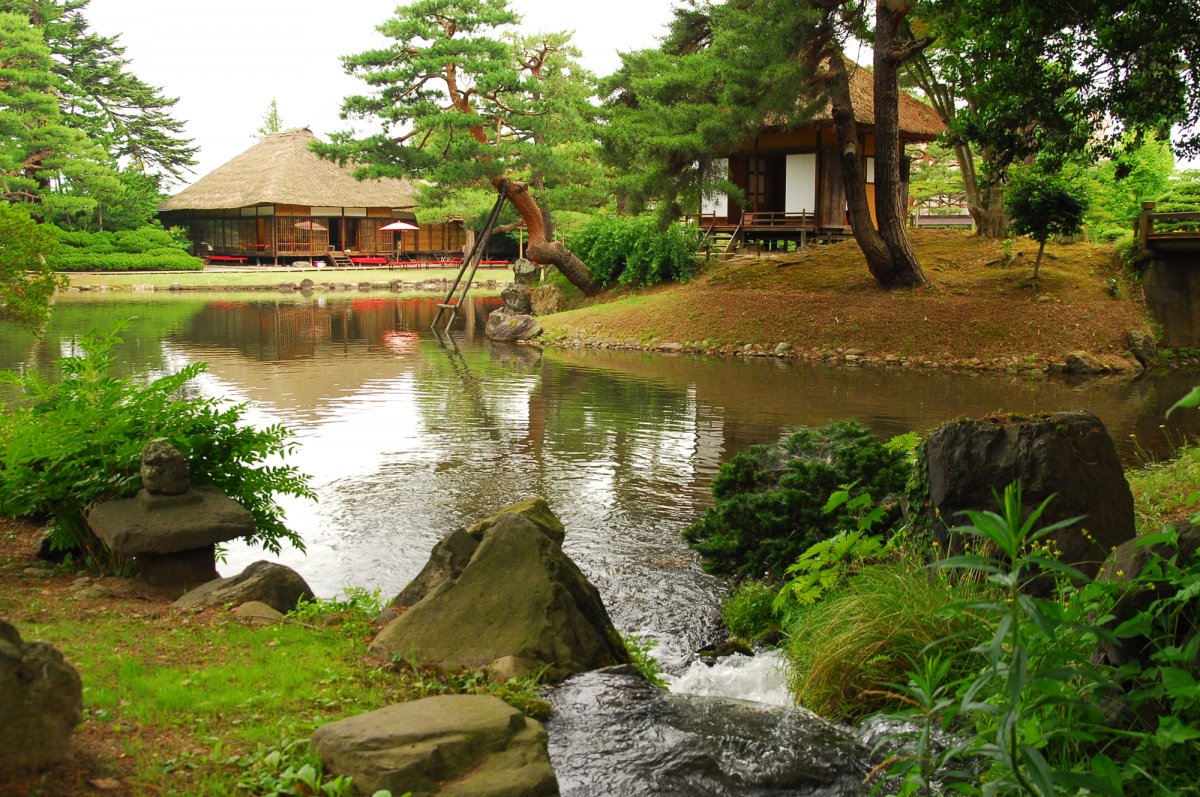 御薬園(国指定名勝・会津松平氏庭園)会津歴代の藩主が眺めてきた四季の景色 深として香る日本の佇まいと歴史を映し出す庭園。|江戸時代の代表的な大名型山水庭園として国の名勝に指定されました。今から約600年前の室町時代、霊泉が湧出したこの地に、会津領主が別荘を建てたのが...www.aizukanko.com
-
8thNisshinkan, the Aizu Domain School
This facility is a reconstruction of the domain school responsible for education in the Aizu domain. Through reconstructed buildings, exhibits, and experiences such as kyūdō, visitors can learn about the curriculum that was also studied by the boys of the White Tiger Unit.
Detailed information about Nisshinkan, the Aizu Domain School, is available on the page below.
 會津藩校日新館 會津藩・白虎隊の学び舎會津藩校日新館の公式サイトです。会津若松市にある武士の学び舎で、赤べこ絵付や座禅、弓道など様々な体験が可能です。www.nisshinkan.co.jp
-
9placeHigashiyama Onsen
Higashiyama Onsen is a historic hot-spring resort near central Aizuwakamatsu. Traditional inns line the Yukawa River, making it a convenient base for travelers who want to combine visits to historic sites with an overnight stay and hot-spring baths.
Detailed information about Higashiyama Onsen is available on the page below.
白虎隊の町【会津東山温泉観光協会】公式HP 福島県会津若松市aizu-higashiyama.com -
10placeNanukamachi Street
 On Nanukamachi Street, you can stroll while viewing merchant houses from around the Taishō period and Western-style architecture, taking in a townscape characteristic of Aizu. Some shops occupy historic buildings, and comparing their architectural details is another highlight.
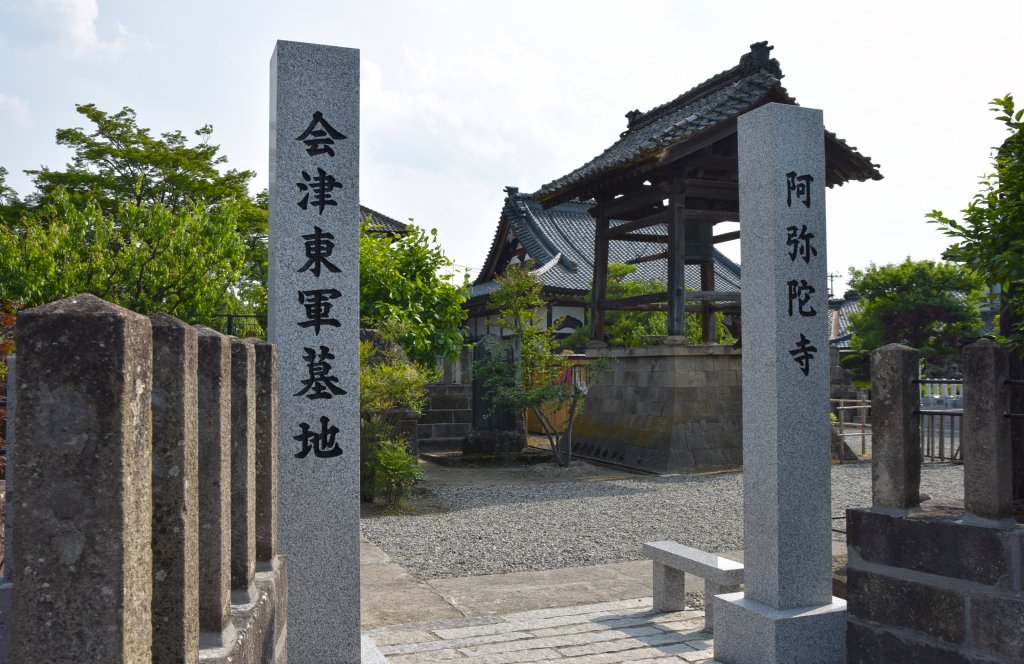
 Amidaji Temple, along the street, is home to the grave of Hajime Saitō (Gorō Fujita) and Gosaikai, a building relocated from the main compound of Tsuruga Castle.
For more details on the highlights of Nanukamachi Street and Amidaji Temple, the time required, and access, see the article below.
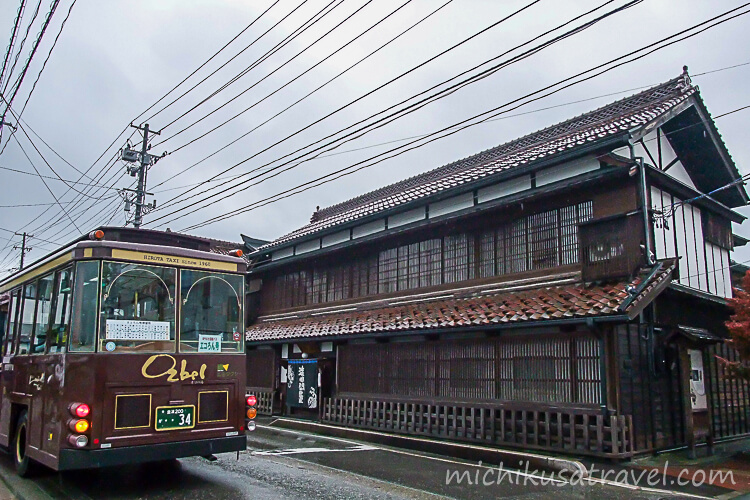 Nanokamachi-dori: Sights, Historic Streetscape, Suggested Duration, and AccessThis guide covers Nanokamachi-dori’s Taishō Romantic-era streetscape, historic buildings, attractions such as Amida-ji Temple, suggested duration, and access, based on official information and on-site reporting as of 2026/9.michikusatravel.com
-
11placeFukushima Prefectural Museum
The Fukushima Prefectural Museum is a comprehensive museum located on the former site of Tsuruga Castle’s third bailey. It covers the archaeology, history, folk culture, art, and nature of Fukushima Prefecture, and is easy to visit even on rainy days or during a family trip.
Detailed information about the Fukushima Prefectural Museum is available on the page below.
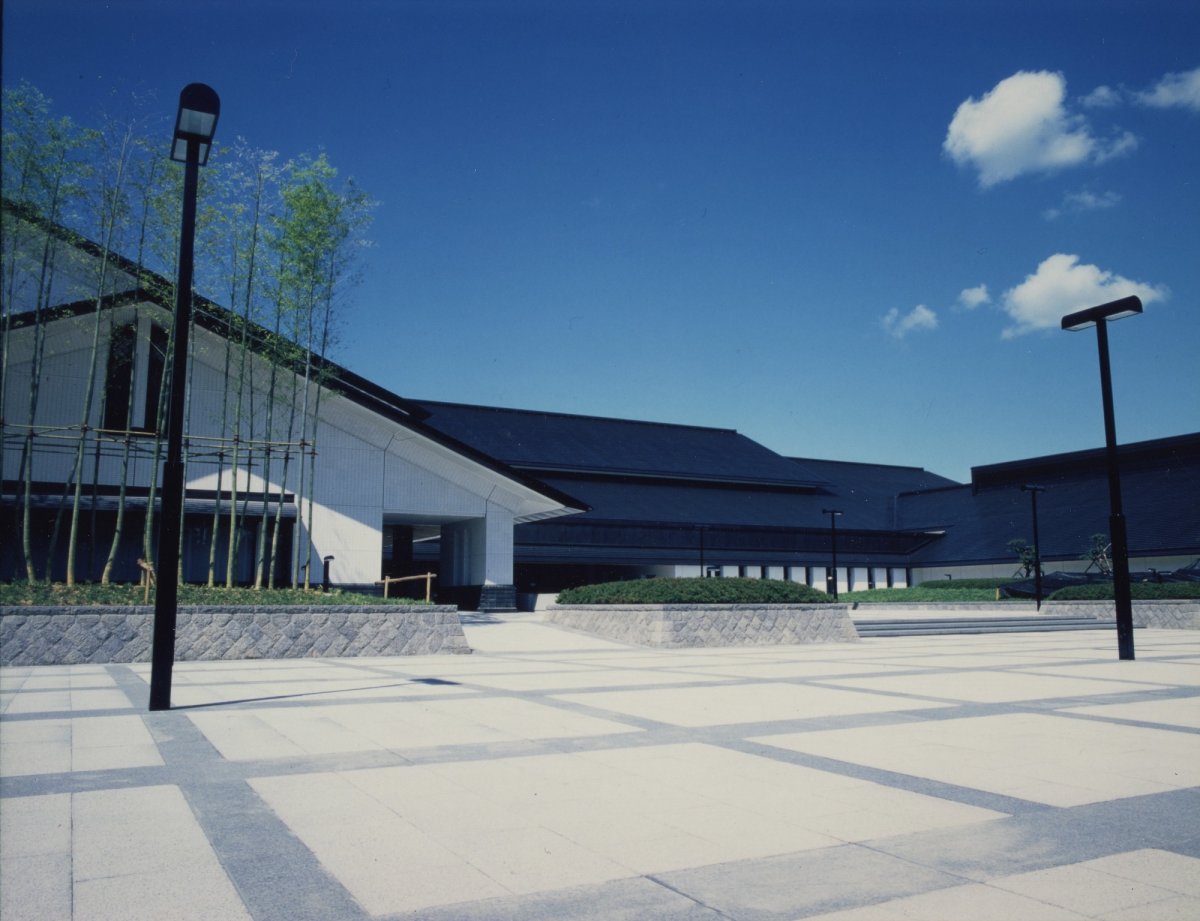 福島県立博物館県内の文化財・有形無形の文化遺産を一堂に集める|歴史と文化の地、会津若松に県内の文化財・有形無形の文化遺産を一堂に集め、豊かな人間性を培う場として誕生しました。規模、内容共に全国でも一級の博物館です。 福島県の文化遺産と自然史資料...www.aizukanko.com
-
12PlaceSuehiro Sake Brewery Kaieizō
Suehiro Sake Brewery Kaieizō was founded in the 3rd year of the Kaei era (1850). On a guided brewery tour, you can learn about the sake-making process and stop by the shop and brewery café. Individual visitors do not need a reservation, but the number of tours varies by season.
Detailed information about Suehiro Sake Brewery Kaieizō is available on the page below.
 末廣酒造株式会社複雑な「美味しい」を考え、多様な「美味しい」を創る。会津の酒「末廣」の公式ページ。sake-suehiro.co.jp
-
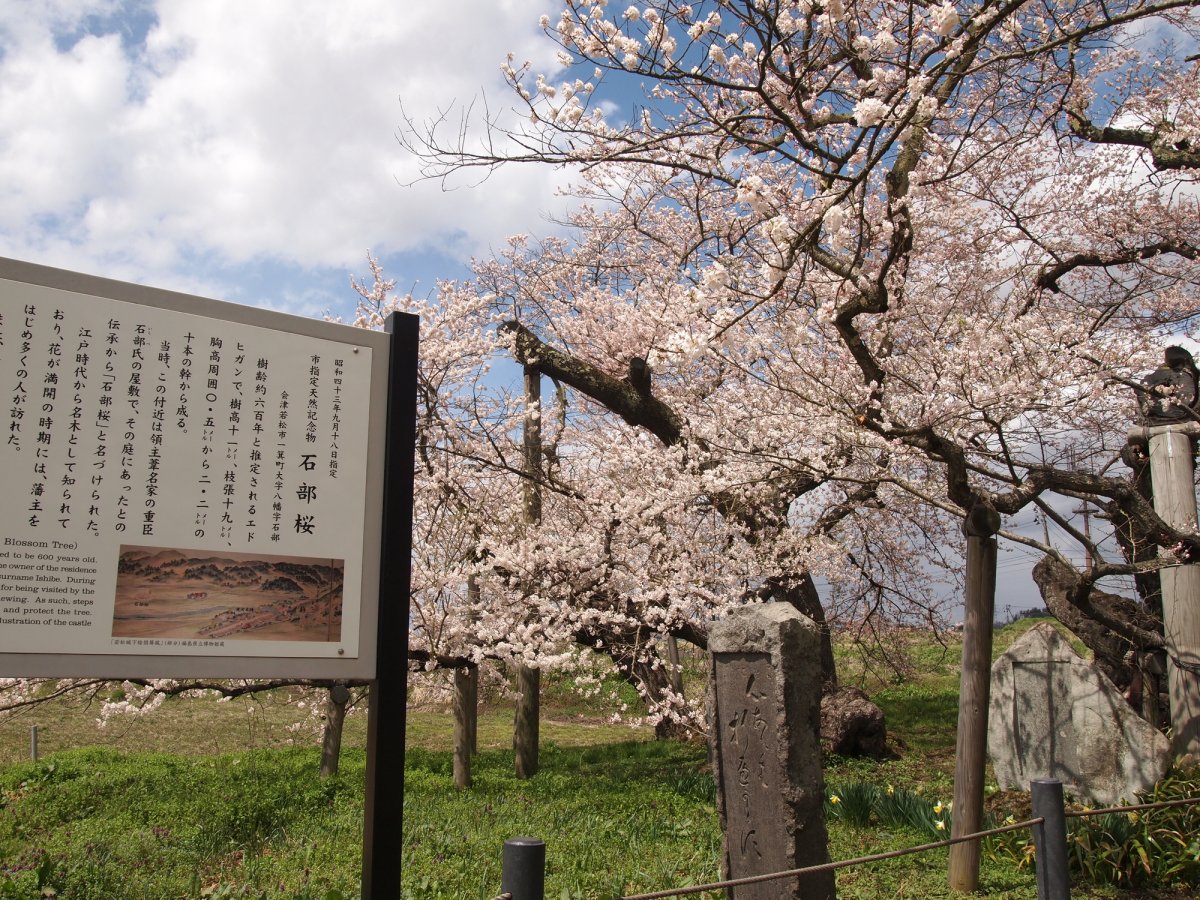
13thIshibe-zakura
This solitary cherry tree is over 600 years old and is one of Aizuwakamatsu’s foremost spring attractions. Its form, shaped over many years, can be admired together with the scenery during the flowering season.
Detailed information about Ishibe-zakura is available on the page below.
 石部桜樹齢約650年といわれる 1本桜|「大河ドラマ『八重の桜』のオープニングにも出てきた桜。会津を代表する桜の一つです。この石部桜は、樹齢約650年といわれるエドヒガンで、中世会津の領主葦名氏の重臣、石部治部大輔(いしべ じぶだゆう)...www.aizukanko.com
-
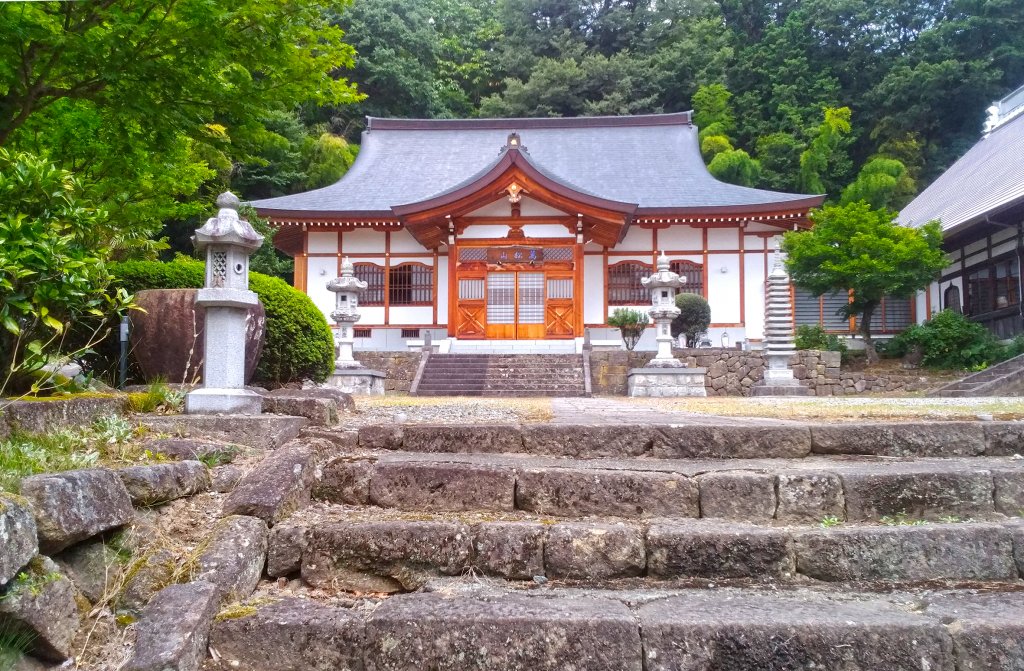
14thTenneiji Temple and Isami Kondō’s Grave
Isami Kondō’s grave is located in the cemetery behind Tenneiji Temple. It is said that Toshizō Hijikata temporarily buried Kondō’s hair and other remains there during the Aizu War, making this a historic site that still conveys the ties between the Shinsengumi and Aizu.
See the page below for a detailed guide.
 天寧寺・近藤勇の墓11代葦名盛信の建立により創設。裏手の墓地には新選組の近藤勇の墓があります|応永28年(1422)、会津にきた傑堂禅師が11代芦名盛信の建立により創立した寺。かつては会津曹洞宗の僧録司で、末寺33カ寺、12の寺院をかぞえました。の...www.aizukanko.com
-
15placeSite of the suicides
This is said to be the place where members of the Byakkotai took their own lives after seeing smoke rising over the town below the castle. From Mount Iimoriyama, you can look toward Tsuruga Castle and trace the setting of the tragedy the soldiers faced.
Detailed information about the site is available on the page below.
【飯盛山】白虎隊十九士の墓幕末の大きな時代の流れの中で戊辰に散った白虎隊の霊が眠る|戊辰戦争のおり、16~17歳の少年たちで編成された白虎士中二番隊が戸の口原合戦場から退却し、滝沢峠の間道を通り、戸の口堰の洞門をくぐり飯盛山に辿り着くと、鶴ヶ城の天守閣は黒...www.aizukanko.com -
16placeTunokuchi Sluice Tunnel
This is the waterway tunnel of the Tunokuchi Sluice, which carries water from Lake Inawashiro to Aizu-Wakamatsu. It was excavated through Mount Iimoriyama during a major renovation that began in 1835. According to tradition, the Byakkotai, who had retreated from Tunokuchihara, passed through it.
Detailed information about the Tunokuchi Sluice Tunnel is available on the page below.
戸ノ口堰について | 戸ノ口堰小水力発電株式会社「東日本大震災後の復興は福島から」の合言葉に基づき、会津地方特有の豊富な水を活用した再生可能エネルギー事業の促進により「原子力に依存しない未来づくり」を進めていくとともに、灌漑事業ならびに地域活性化に寄与していきたいと考えておりま...www.tonokuchi-suiryoku.com -
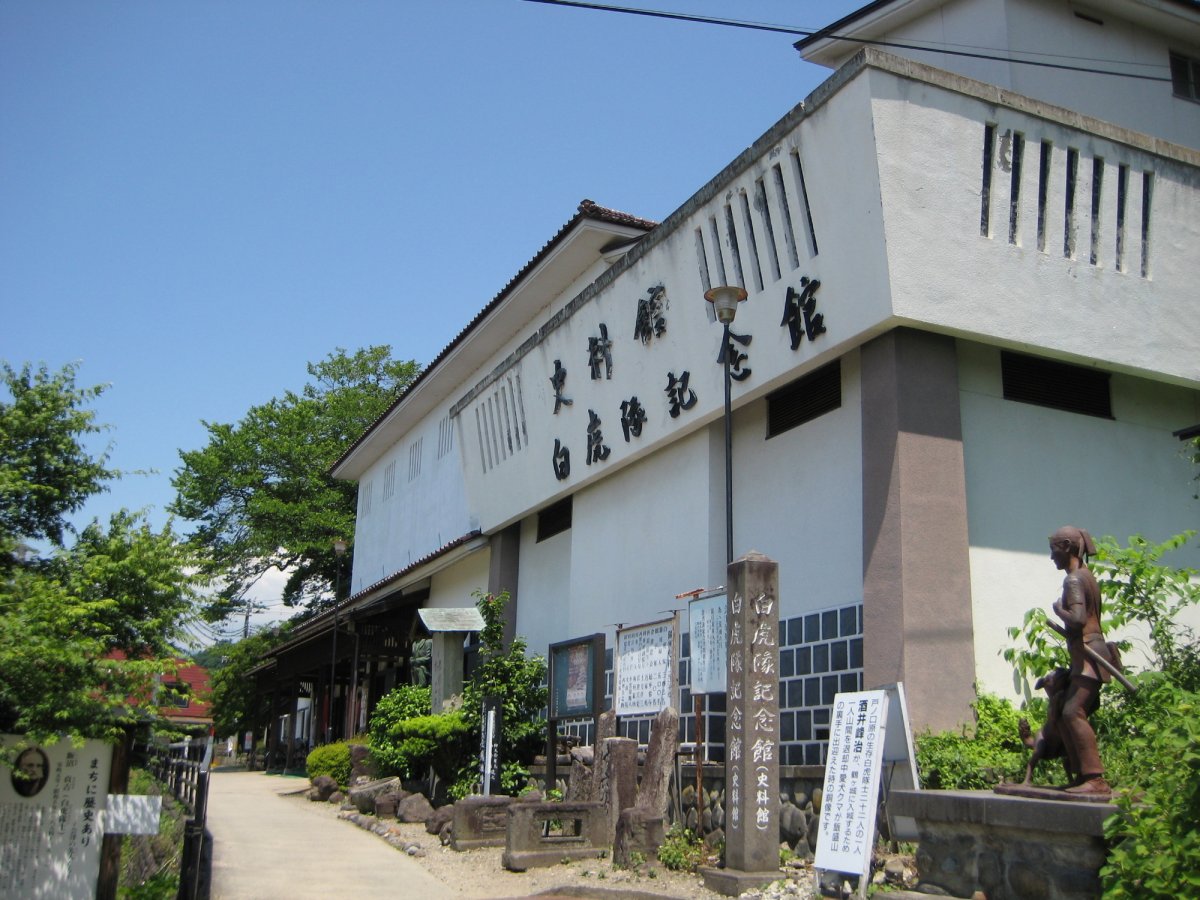
17placeByakkotai Memorial Museum

At the foot of Mount Iimoriyama, the Byakkotai Memorial Museum displays materials about the Byakkotai, the Boshin War, and figures connected with Aizu, including Yae Niijima (Yae Yamamoto). Visiting the graves on the mountaintop and the site where the members took their own lives as well allows you to connect the historic sites with the exhibition materials.Details about the exhibits and location are available on the Byakkotai Memorial Museum’s official tourism information page.
 白虎隊記念館「白虎隊」をはじめ戊辰戦争関係の史料やジオラマなどを展示|昭和31年に会津出身の弁護士、故・早川喜代次氏によって創立された史料館。戊辰戦争における「白虎隊」をはじめとする会津藩の悲劇を後世に伝えたいという思いから、私財を投じて作ら...www.aizukanko.com
-
18thNoguchi Hideyo Youth Street

Noguchi Hideyo Youth Street is in central Aizuwakamatsu, where Noguchi Hideyo spent his youth. It is a different street from Nanukamachi Street, but the two can be combined in a stroll through the city center, where traditional kura warehouses and Western-style buildings remain.Highlights of Noguchi Hideyo Youth Street and a suggested route visiting places associated with him are available on the Aizuwakamatsu Tourism Navi page.
 会津若松で楽しむ「あさたび」会津若松には、朝ならではの楽しみ方がたくさん。朝しか出会えない絶景や、爽やかな朝におすすめの体験、朝限定のお得なモーニングメニューなど…。朝から動けば、日中と比べて混雑を避けることができたり、限られた旅先での時間を有効活用して予定...www.aizukanko.com
-
19placeAmidaji Temple

The grounds of Amidaji Temple are home to the grave of Hajime Saito (Goro Fujita), a member of the Shinsengumi, and the “Gosankai,” a three-story structure relocated from the main compound of Tsuruga Castle after the Boshin War. Combined with a walk along Nanokamachi-dori, a visit here lets you explore the historic sites that remain in the castle town after the Aizu War.Details about the temple’s highlights, including Hajime Saito’s grave and the Gosankai, are available on the Aizuwakamatsu tourism guide’s information page.
 阿弥陀寺かつては鶴ヶ城本丸内にあり密議の場所として使われた建物も残る。|阿弥陀寺内にある御三階はかつては鶴ヶ城本丸内にあった建物です。外観上は三階ですが、内部が四層になっており密議の場所として使用されたといわれています。明治3年本丸にあっ...www.aizukanko.com


Aizuwakamatsu Cuisine
The information below was checked against official sources on September 16, 2026. Please also check the latest information on the official website when planning your trip.
Aizuwakamatsu specialties
- sauce katsudon: A fried cutlet coated in sauce and served over rice, this is one of Aizu's signature local dishes.
- wappa-meshi: A regional dish made by placing rice and other ingredients in a bentwood container and steaming them.
- kozuyu: A celebratory dish made with a broth of dried scallops, taro, mushrooms, wheat-flour dumplings, and other ingredients.
- Aizu horse sashimi: It is also popular served with mustard miso.
- Aizu ramen: The city has many diverse restaurants, making it enjoyable to explore them one by one.
Aizu-Wakamatsu Tourism Navi introduces food you can enjoy in the city, including local specialties, sauce katsudon, and ramen.
Aizuwakamatsu’s renowned establishments
Nakajima, the original restaurant for simmered sauce katsudon
This restaurant in Kamimachi specializes in simmered sauce katsudon. It serves its own egg-topped version, which differs from the usual sauce katsudon.

Shibukawa Tonya
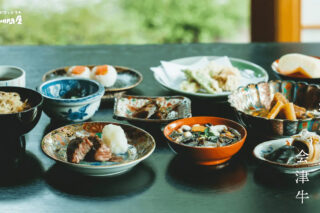
This former seafood wholesaler in Nanokamachi was founded in the 15th year of the Meiji era. Enjoy Aizu regional specialties such as kozuyu, herring rolled in kombu, and simmered dried cod.
Transportation in Aizuwakamatsu
The information below was checked against official sources on September 16, 2026. Please also check the latest information on the official website when planning your trip.
Starting at Aizu-Wakamatsu Station, you can combine trains and local buses to explore the city and various parts of Aizu.
Railways
Trains on JR East's Ban'etsu West and Tadami lines, as well as Aizu Railway trains, arrive at and depart from Aizu-Wakamatsu Station. Check JR line schedules in the JR East timetable, and schedules and travel information for the Aizu Line on the official Aizu Railway website.

City buses
From Aizuwakamatsu Station, Aizu Bus’s local sightseeing loop buses “Haikara-san” and “Akabē” are convenient for visiting Tsuruga Castle, Mount Iimori, Nanukamachi, and other places. Check local routes, timetables, and tickets on the official Aizu Bus website.
Suggested itinerary in Aizuwakamatsu
From Aizuwakamatsu Station, head to Mount Iimori and visit historic sites associated with the White Tiger Unit. Next, tour the residence of the Aizu domain’s chief councillor and the exhibits on the Aizu War at Aizu Bukeyashiki, then continue to Tsuruga Castle. After walking through the castle and its surroundings, enjoy the historic townscape along Nanukamachi Street. This is a one-day itinerary.
Open the same route in Google Maps
This driving route takes you from Aizu-Wakamatsu Station to Iimoriyama, Aizu Bukeyashiki, Tsuruga Castle, and Nanokamachi Street, in that order. If you are not driving, the city loop bus is a convenient option.
Loading the map.
- ①Aizu-Wakamatsu Station → ②IimoriyamaCalculating the route in Google Maps
Start your journey at Aizu-Wakamatsu Station. Follow National Route 118 east, pass the Takizawa-Higashi intersection, and head to the entrance of Iimoriyama. If you use the city loop bus, board at “Wakamatsu-ekimae” and get off at “Iimoriyama-shita” after about 5 minutes.
- ②Iimoriyama → ③Aizu BukeyashikiCalculating the route in Google Maps
After exploring the historic sites associated with the Byakkotai at Iimoriyama, head to Aizu Bukeyashiki.
- ③Aizu Bukeyashiki → ④Tsuruga CastleCalculating the route in Google Maps
After viewing the residence of an Aizu domain elder and the exhibits on the Aizu War at Aizu Bukeyashiki, continue to Tsuruga Castle.
- ④Tsuruga Castle → ⑤Nanokamachi StreetCalculating the route in Google Maps
Follow National Routes 118 and 121 and National Route 252 west toward the center of Nanokamachi Street. If you use the city loop bus, board at “Tsuruga-jō-iriguchi” and get off at “Nanokamachi-chūō” after about 11 minutes.
Aizuwakamatsu Off the Beaten Path

This is an Aizu London taxi. It is the Japanese version of the "Austin FX4", a model that represented London taxis from the 1960s through the 80s.
For information on London’s attractions, food, transportation, and more, see the article below.


Let’s have fun and become friends… with the bicycle…

Aizu-Wakamatsu Station is operated by JR East and is also served by trains from the 3rd-sector Aizu Railway.

This is a statue of a Byakkotai warrior.

This is Aizuwakamatsu’s mascot, “Akabē.”
Railway vehicles

JR East C57 steam locomotive “SL Ban'etsu Monogatari.” The C57 class is nicknamed “The Lady.”

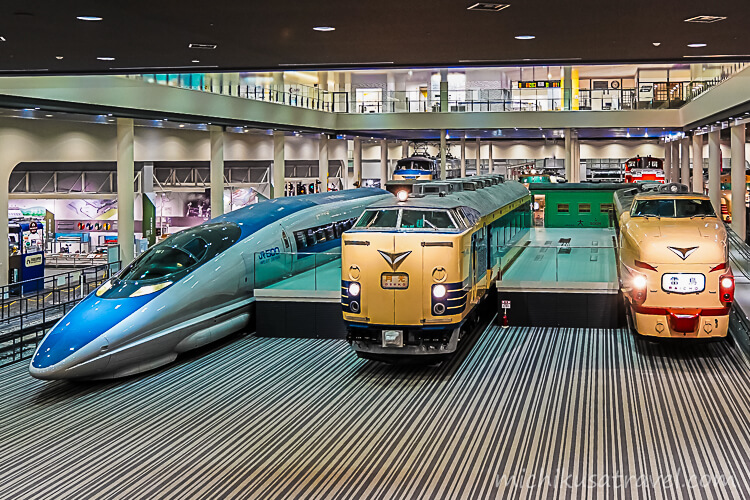
This is steam locomotive C57 No. 180 (C57-180). No. 1 (C57-1) is preserved in working order by JR West at the Kyoto Railway Museum.
For information about the Kyoto Railway Museum’s highlights, opening hours, tickets, and more, see the article below.

Until 2017, the train ran as far as Niigata Station, but since then it has operated only to Niitsu Station, where the rolling-stock depot is located. This locomotive is also assigned to the Niitsu Transportation Depot.
For information on Niigata’s attractions, food, transportation, and more, see the article below.


This is the livery of JR East’s KiHa 47 diesel railcar known as the “First Niigata Color.”

This is JR East’s 485 series train “Aizu”, wrapped with Aizu-Wakamatsu’s character “Akabē”.

From front to back are the JR East 485 series electric train, the KiHa 47 diesel railcar, and the Aizu Railway AT-500 diesel railcar.

The vehicle in the photo is an AT-500 diesel railcar. Aizu Railway, which operates this vehicle, began service as a third-sector company in 1987 after taking over the Aizu Line from JR East.