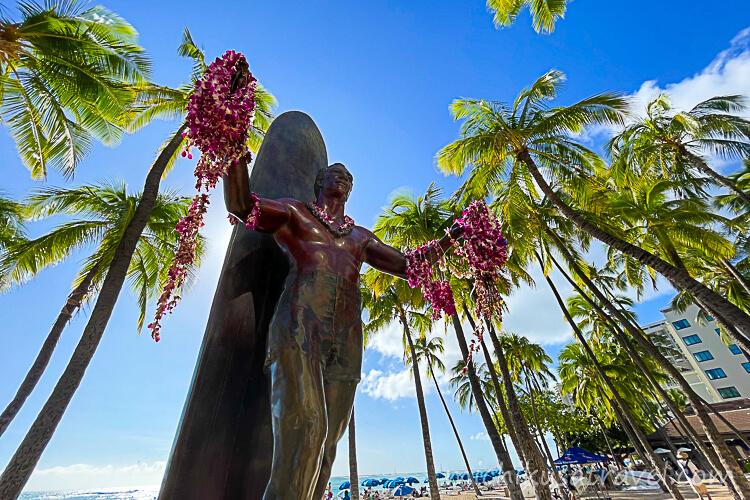
Highlights of the Polynesian Cultural Center
The Polynesian Cultural Center isa facility where visitors can experience the cultures of the Polynesian islands, including Hawaii. It was opened in 1963 by The Church of Jesus Christ of Latter-day Saints (the Mormon Church). It is also sometimes called PCC, using the initials.
Polynesia is a collective term for the islands within the “Polynesian Triangle,” whose northern limit is the Midway Islands, including Hawaii, whose southern point is New Zealand, and whose eastern point is Easter Island. The islands of Polynesia are represented in the park as “villages.”

Villages presenting the cultures of different parts of Polynesia are arranged throughout the grounds along waterways and walking paths. By visiting the villages while checking the performance times, you can compare differences in buildings, music, dances, and ways of life in a single day.
Samoa Village

It is known for its large domed roof. It is one of the most popular villages in the Polynesian Cultural Center.
Samoa comprises the sovereign state of Samoa and American Samoa. The former is overwhelmingly larger in both area and population, so “Samoa” on its own generally refers to the former.

This is a demonstration of how coconut milk is made. Squeezing it with the back is simply part of the performance.

They use fibers obtained from coconut husks to start a fire. By the way, he is Kap, the most famous person at the Polynesian Cultural Center.

They climb a coconut palm using their bare hands and feet.

Mr. Kapp is letting out a victorious roar.

Green bananas are cooked in coconut cream.

The finished dish can be sampled. Green bananas have a flavor and texture similar to tubers.
Tonga Village

This is a drum and dance performance. Audience members who wish to do so can participate as well.
Tonga is officially known as the Kingdom of Tonga. It is a sovereign state and the only kingdom in Polynesia.

There was a man wearing sunglasses who kept his back turned the entire time.
Tahiti Village

Tahiti is an island in French Polynesia. A traditional Tahitian wedding ceremony is recreated here.

At the Tahiti Village, you can fish using a bamboo pole.

It is a fish called tilapia.
Fiji Village
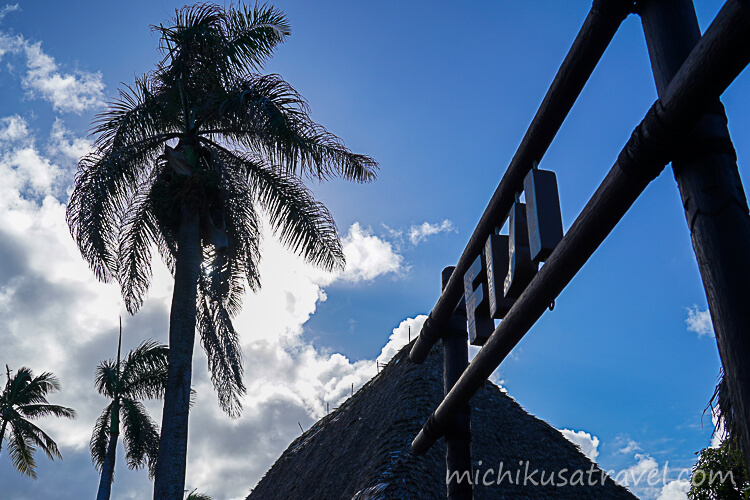
Fiji is officially known as the Republic of Fiji. Strictly speaking, it is part of Melanesia rather than Polynesia, but it has long enjoyed active exchanges with the islands of Polynesia.
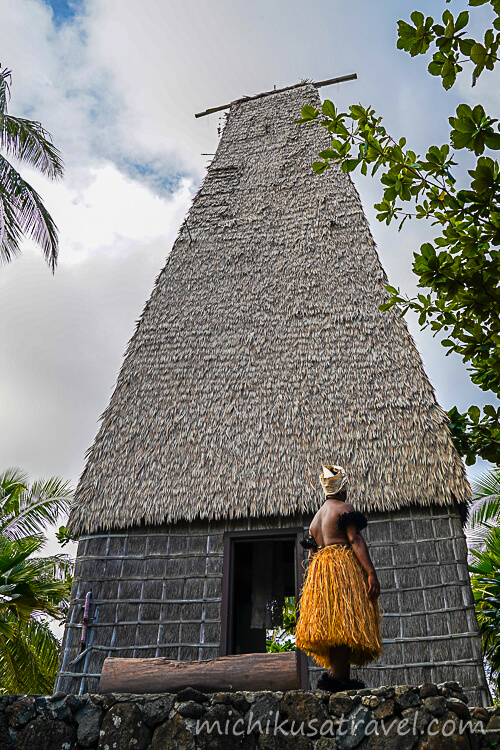
This is a traditional Fijian temple called "Bure Kalou." It was believed that the higher the roof, the closer it brought people to the gods.
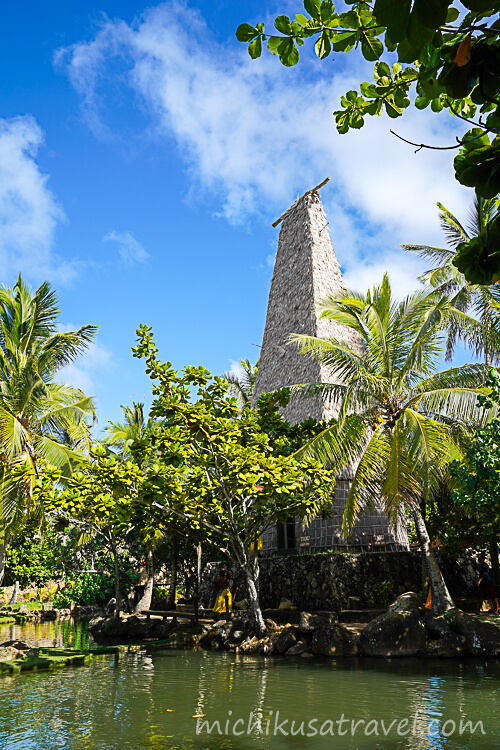
Aotearoa Village (New Zealand)
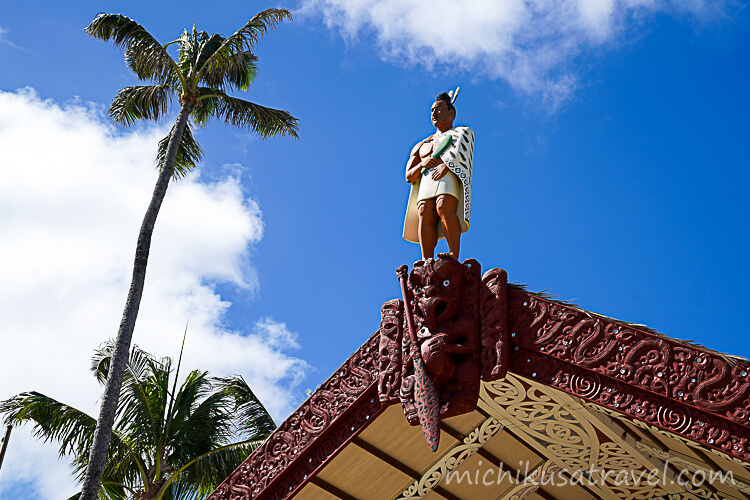
Aotearoa is a word in the language of the Indigenous Māori people meaning New Zealand. New Zealand lies at the southern end of Polynesia.
The figures on the gabled roof are called Tekoteko and are meant to ward off evil. They serve a role similar to Japanese roof ornaments called onigawara.
Rapa Nui (Easter Island)
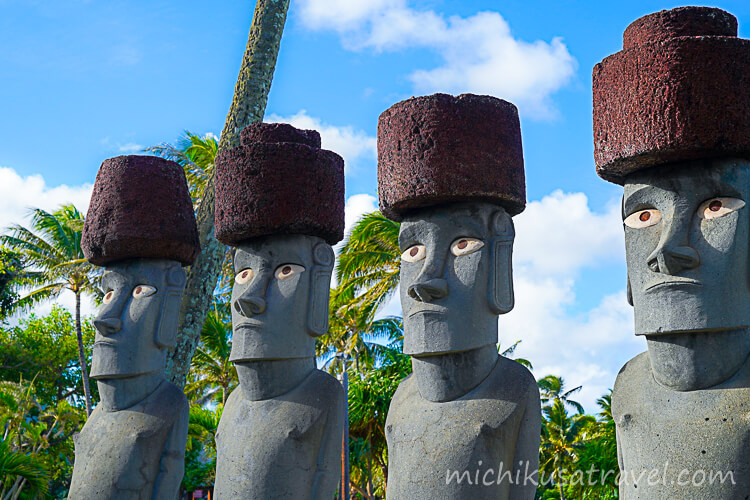
Rapa Nui is the local name for Easter Island. Easter Island is a Chilean island at the eastern edge of Polynesia.
The pukao (Pukao) on the head of the moai represents hair. The eyes are made of white coral and black stone. This is considered the moai’s original form.
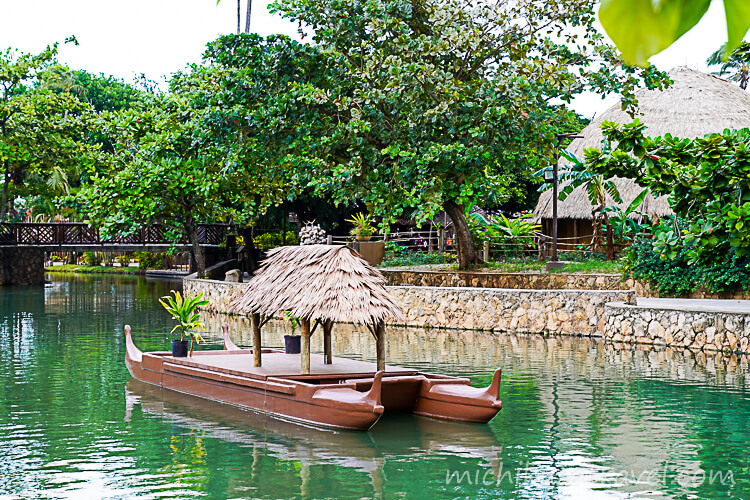
This is where the canoe show “HUKI” takes place. It has been closed for an extended period since the COVID pandemic, but is reportedly scheduled to reopen in summer 2024.
The canoe show “Huki: A Canoe Celebration” is currently held in the lagoon. According to the official information, it runs from 13:00 to 13:20 and showcases the cultures of the islands.
Gateway Restaurant
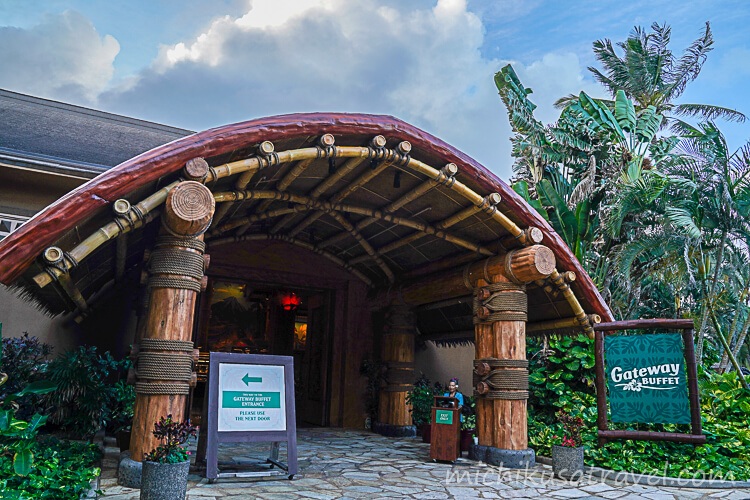
This is the restaurant used with tickets that include the Gateway Buffet. Tickets with a luau and buffet, as well as tickets without dinner, are also available.
Pacific Theater
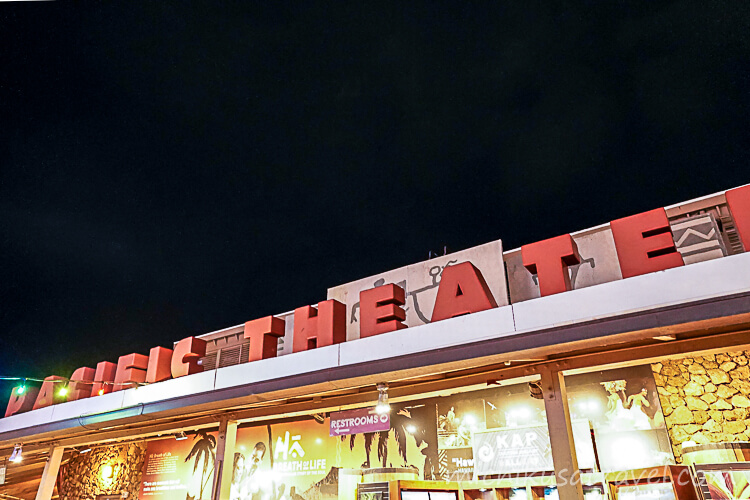
Pacific Theater is the venue for the nighttime show “HĀ: Breath of Life (Hā Breath of Life).” It provides the grand finale to a visit to the Polynesian Cultural Center.
Basic Information about the Polynesian Cultural Center
The information below was checked against official sources on October 11, 2026. Please also check the latest information on the official website when planning your trip.
- 🔗 Official website
- The latest information on opening hours, closure days, tickets, and shuttle service is available on the official website.
Polynesian Cultural Center Hours of Operation | Visit UsFind the hours for Dining, Excursions, Activities, Marketplace, and Show Times at the Polynesian Cultural Center.www.polynesia.com
- 📍 Location
- 55-370 Kamehameha Highway, Laie, Hawaii 96762
- 🕒 Opening hours
-
- Center:Opens at 12:00.
- Island Village:12:15〜17:30。
- HĀ: Breath of Life:The seasonal schedule from September 28 is 19:15–20:35, and in spring it is 19:30–20:50.
- 🚫 Closure days
- Closed on Sundays and Wednesdays, Thanksgiving, Christmas, and New Year's Day. The remaining Wednesday opening days in 2026 are November 25, December 23, and December 30.
- 💶 Admission
- Prices vary by package. Prices by ticket type and purchasing methods are explained in detail in the following section, “Tickets for the Polynesian Cultural Center.”
- ⏱️ Time required
- If you want to enjoy Island Village through the evening show, allow 6–9 hours.⚠️ Even a visit focused on Island Village requires an afternoon. If you combine a meal with “HĀ: Breath of Life,” allow plenty of time from the 12:00 opening until evening.

Polynesian Cultural Center Tickets
You can choose tickets that combine a visit to Island Village with a guided tour, a meal, the evening show “HĀ: Breath of Life,” transfers, and other options. Check the price and inclusions, then book the package that suits your itinerary in advance.
- Islands of Polynesia:Adults 94.95 USD; ages 4–11, 75.96 USD. Taxes and a payment processing fee are added. This package allows you to explore Island Village independently.
- Package with a meal and evening show:Ticket options combine an Island Village visit with a meal or “HĀ: Breath of Life.” You can choose a guided or self-guided visit, with or without a meal, and whether to include the evening show.
- Free 3-Day Pass:You may re-enter Island Village for up to 3 consecutive operating days after your first visit. Meals, transportation, and “HĀ: Breath of Life” are not included. Pick it up at the Box Office by presenting proof of purchase and a photo ID; it is nontransferable.
Reservations can be canceled free of charge before 17:00 HST on the day before the experience. Cancellations after the deadline or no-shows without notice are not eligible for a refund. For reservations made through a travel agency or similar provider, request the cancellation from the place of purchase; that provider’s terms apply.
“HĀ: Breath of Life” has assigned seating, and advance reservations are strongly recommended.

Getting to the Polynesian Cultural Center
Paid transportation from Waikiki can be added when purchasing your ticket.
The official driving route heads west from Waikiki on H-1, via Likelike Highway(Likelike Highway、Route 63)and Kahekili Highway(Kahekili Highway), then continues north on Kamehameha Highway(Kamehameha Highway、Route 83)to Lāʻie.
Shuttle Service and Driving
Even without stopping along the way, allow at least 60〜75 minutes and expect traffic on weekdays from 15:30〜18:30. Parking is free, and a free shuttle runs between the parking lot and the main entrance. Accessible parking spaces require a government-issued permit and are available on a first-come, first-served basis. If walking is difficult, you can be dropped off or picked up along the roadside in front of Hukilau Marketplace.

Polynesian Cultural Center: A Detour
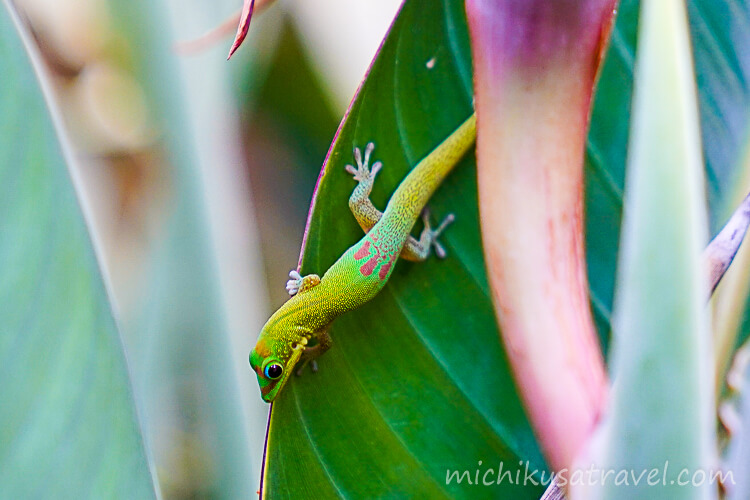
This is a Gold dust day gecko. Geckos are usually nocturnal, but this gecko is diurnal, as its name “day gecko” suggests. Some people keep it as a pet.
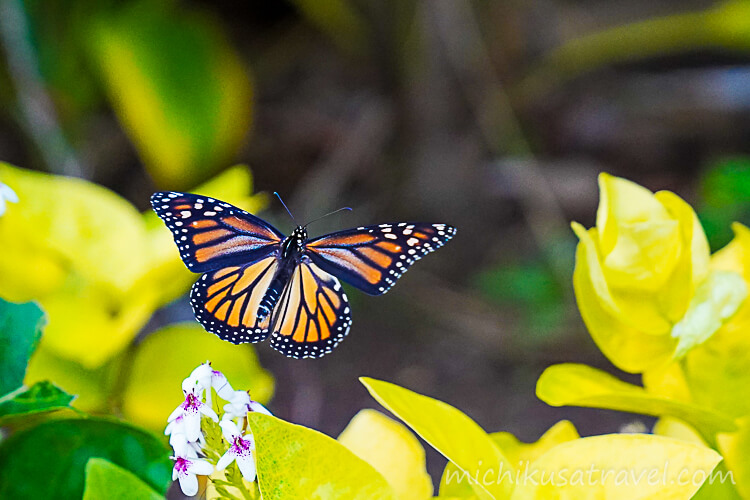
It is a monarch butterfly. In the Americas, it is known as a butterfly that migrates between California and Mexico.
For attractions, transport and suggested itineraries, see “Oahu: A guide to attractions, food, transportation, and a sample itinerary”.