
About Rome
Rome is the capital of Italy, the capital of the Lazio region, and at the same time the capital of the Province of Rome.
It has a population of approximately 280 million and is Italy’s largest city. Milan has a larger metropolitan-area population.
The Japanese name “Roma” is the Italian "Roma" read literally in Japanese romanization. In English, it is written "Rome" and pronounced roughly like “rohm.”
Rome preserves valuable remains from the ancient Roman era, including the Colosseum, Roman Forum, and Pantheon. It also has countless famous attractions, such as the Spanish Steps, Trevi Fountain, and Mouth of Truth.
While Florence is known as the “City of Flowers” and Venice as the “City of Water,” Rome is celebrated as the“Eternal City”.
To the west of the Tiber lies Vatican City, which is located within Rome but is an independent state with recognized extraterritorial status. As the center of the Catholic Church, it attracts pilgrims from around the world.
History of Rome
The history of Rome is almost the history of Europe itself.
Ancient Rome
The so-called “Ancient Rome,” with Rome as its capital, is said to have emerged in the 8th century BCE according to Roman mythology. In historical fact, it evolved from a monarchy through a republic into an empire and lasted until 476, when the Western Roman Empire fell. At its height, it was a vast empire whose territory covered almost all of Europe except Germania (the lands east of the Rhine and north of the Danube), as well as Western Asia and parts of North Africa.
In 395, the Roman Empire split into the Western Roman Empire and the Eastern Roman Empire, whose capital was Constantinople (Constantinopolis, modern-day Istanbul, Turkey). If the Eastern Roman Empire is regarded as Rome’s legitimate successor, the country called “Rome” continued until 1453, when the Eastern Roman Empire fell.
In European history, the fall of the Western Roman Empire is generally used to distinguish antiquity from the Middle Ages, while the fall of the Eastern Roman Empire distinguishes the Middle Ages from the early modern period.
Ancient Rome was a civilization of the Latins, one of the Italic peoples, and became a source of the identity of the “Italians,” who speak Italian, a language derived from Vulgar Latin, on the Italian Peninsula.
The Fall of the Western Roman Empire
The Western Roman Empire was not brought down by external enemies, but by a coup led by Odoacer, commander of its mercenaries. He sent the Western Roman emperor’s crown to Zeno, the Eastern Roman emperor, and obtained the right to rule Italy as the Roman emperor’s deputy.
The Migration Period and Ostrogothic rule
Odoacer eventually came into conflict with Zeno and was defeated by Theoderic on Zeno’s orders. Theoderic belonged to the Ostrogoths, a branch of the Germanic peoples who moved south during the Migration Period. In 497, the Ostrogothic Kingdom was established as a state recognized by the Eastern Roman Empire. Ravenna was made its capital.
The reunification of the Roman Empire led by the Eastern Roman Empire
The Ostrogothic Kingdom eventually came into conflict with the Eastern Roman Empire and was destroyed by Belisarius, sent by the Eastern Roman emperor Justinian I, and later by Narses. Justinian I directly ruled Italy as king of the reunified “Roman Empire,” but the capital remained Constantinople, and Rome no longer possessed its former splendor.
Rule of the Lombard Kingdom
The Eastern Roman Empire was facing the Sasanian Empire in the east and was therefore unable to strengthen its control over the western regions where Rome was located. In 568, the Lombards, also a Germanic people, invaded the Italian Peninsula and founded the Lombard Kingdom. Its capital was established at Pavia in northern Italy, and it was never able to bring certain areas centered around Rome under its control.
Rule by the Papal States and the Holy Roman Empire
In 752, the Papal States (Papal State) were established in central Italy, with Rome as their capital. In 774, the Frankish Kingdom, led by Charles 1 (Charlemagne, in French), destroyed the Lombard Kingdom at the request of Pope Hadrian 1. Charles 1 was a Frank, one of the Germanic peoples.
In 800, Charles 1 was crowned Roman emperor by Pope Leo 3, symbolically marking the birth of the Holy Roman Empire. In practical terms, the Holy Roman Empire emerged after the division of the Frankish Kingdom, when Otto 1 of East Francia was crowned by Pope John 12 in 962. (In any case, the name “Holy Roman Empire” did not come into use until the 13th century.)
The state later known as the Holy Roman Empire claimed to be the successor to the Western Roman Empire, but it never had Rome as its capital and was in fact centered on Germany and Austria. Northern Italy, except for Venice, was placed under the rule of the Holy Roman Empire, while only central Italy remained as the Papal States. Southern Italy was subjected to incursions by Arabs (Islamic forces).
Renaissance and the Italian Wars
Autonomous city-states such as the Duchy of Milan, the Republic of Florence, and the Republic of Genoa emerge, and Italy enters the Renaissance. At the same time, however, it becomes a stage for proxy wars between the Holy Roman Empire (the Habsburgs) and the Kingdom of France (the Valois), while the political aims of the Papal States also become intricately entangled, and conflicts never cease across Italy.
The pope is forced into a position where he must choose between supporting the Holy Roman Empire and the Kingdom of France. Pope Clement VII forms an alliance with the Kingdom of France, but in retaliation, the city of Rome is destroyed by the Holy Roman Empire in 1527. It is said that the Italian Renaissance came to an end at this time. The war is won by the Holy Roman Empire, led by Charles V (Charles I of Spain).
Habsburg rule
Upon the abdication of Charles V, the House of Habsburg split in 1556 into the Austrian Habsburgs (the Habsburg Empire), led by his brother Ferdinand I, and the Spanish Habsburgs (the Spanish Habsburg dynasty), led by his son Philip II. The Austrian Habsburgs claimed to be the successors of the Holy Roman Empire, but Charles V was the last Roman Emperor to be crowned by the pope, and the name Holy Roman Empire gradually became merely nominal.
After the rule of the Spanish Habsburgs, Italy came under the rule of the Austrian Habsburgs. Napoleon Bonaparte liberated Italy for a time, and France (the First Empire) took control, but as a result of the Napoleonic Wars and the Congress of Vienna, the Austrian Habsburgs regained control of Italy.
The Unification of Italy
Through the independence movement centered on the Kingdom of Sardinia and supported by France (the Second Empire), Italy was finally unified. In 1871, Rome became its capital and, as its political system changed from a monarchy to a republic, it continued on the path toward modern Italy.
French support was not merely a matter of lofty ideals: under the secret Plombières Agreement, Italy lost part of its border regions with France, namely the present-day departments of Savoie, Haute-Savoie, and Alpes-Maritimes centered on Nice.
Tourist attractions in Rome
Here are the recommended attractions in Rome, presented as a ranking.
October 3, 2026 We checked each attraction’s official information.
-
1thColosseum

The enormous amphitheater remains in the middle of the city, allowing visitors to experience firsthand the scale of entertainment and power in ancient Rome. Located near the Roman Forum and Palatine Hill, it serves as a central point for exploring the archaeological area as one connected landscape.For details about the Colosseum's highlights, opening hours, admission fees, and more, please see the article below.
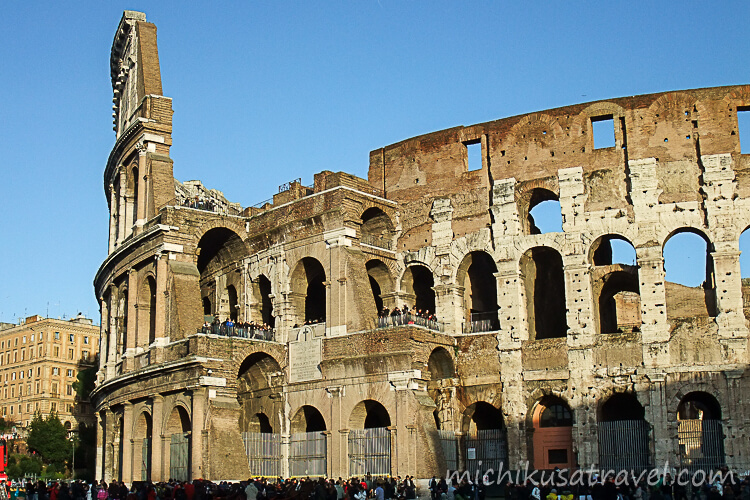 Colosseum: Highlights, opening hours, prices, and accessThis guide explains the Colosseum’s history, architecture, scenery and exhibits, as well as opening hours, admission fees and access, based on official information and on-site research as of 2026 10.michikusatravel.com
-
2thRoman Forum

Spreading between the Colosseum and Palatine Hill, these ruins offer a continuous urban landscape where visitors can trace the center of ancient Roman politics and religion, including temples, triumphal arches, and the Senate House.The article below provides a detailed introduction to the ruins of the Roman Forum, how to walk through them, opening hours, and tickets.
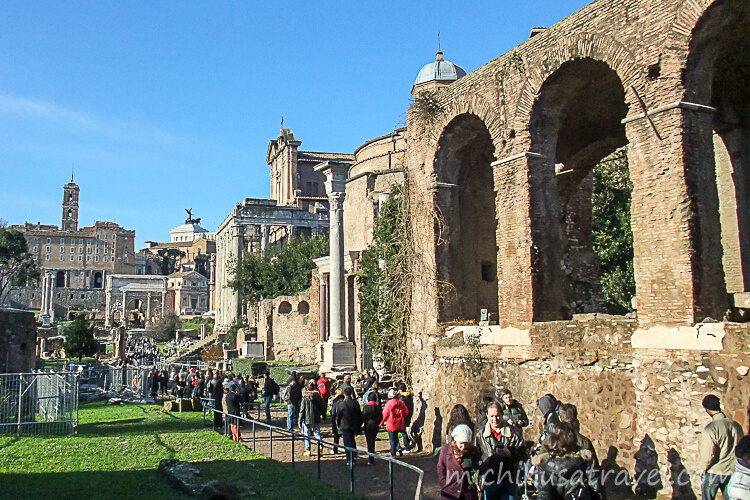 Roman Forum: A guide to highlights, opening hours, tickets, and accessThis guide explains the main highlights of the Roman Forum, including its historic scenery, as well as opening hours, tickets and access, based on official information and local reporting as of 2026 10.michikusatravel.com
-
3thPantheon (Rome)

This temple offers an up-close sense of the scale of ancient architecture while exploring central Rome, and is conveniently located for combining with Piazza Navona and the Trevi Fountain. An inscription bearing Agrippa's name remains on the façade, while the interior contains the tombs of Vittorio Emanuele II and Raphael.The article below provides a detailed introduction to the Pantheon's architecture, highlights, visiting hours, and admission fees.
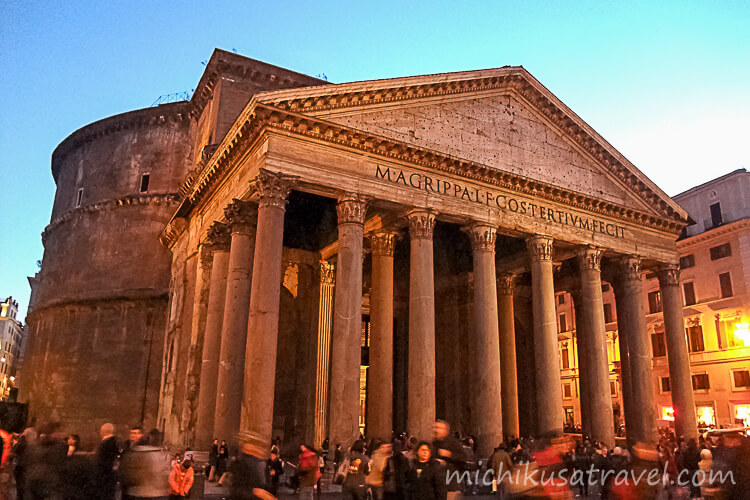 Pantheon (Rome): Highlights, Visiting Hours, Admission Fees, and How to Get ThereWe explain the Pantheon’s highlights, including its dome and oculus, architecture dating back to ancient Rome, and burial site, along with visiting hours, prices, tickets, and access, based on official information and on-site research as of 2026 year, 10 month.michikusatravel.com
-
4thTrevi Fountain

This fountain was built in the 18th century. Its expansive water display spreads through the streets of central Rome, creating a magnificent scene where sculpture, rockwork, and flowing water come together, all visible at close range.Fontana di TreviFontana di Trevi, mostra terminale dell’acquedotto Vergine, unico degli acquedotti antichi ininterrottamente in uso...www.turismoroma.it -
5thPalatine Hill

This hill brings together the founding myths of Rome and the ruins of imperial palaces. From the top, you can look out over the Roman Forum and Circus Maximus.For details about the highlights, opening hours, tickets, and more at Palatine Hill, please see the article below.
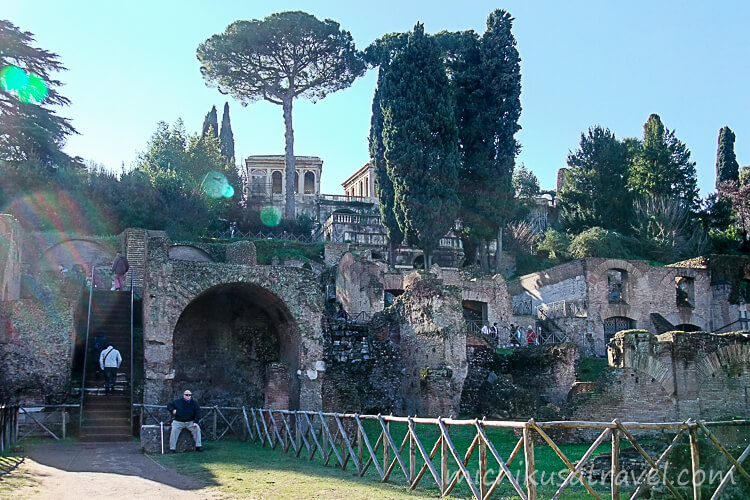 Palatine Hill: highlights, opening hours, tickets, and how to get thereWe explain the Palatine Hill’s key ruins and historic landscape, along with opening hours, tickets, and access, based on official information and local field research as of October 2026.michikusatravel.com
-
6thGalleria Borghese
At the Galleria Borghese, you can view ancient sculptures, reliefs, and mosaics, as well as paintings and sculptures from the 15th to the 19th centuries. Highlights include paintings by Caravaggio, Raphael, and Titian, along with sculptures by Bernini and Canova.
 Galleria Borghese - Sito ufficialegalleriaborghese.cultura.gov.it
-
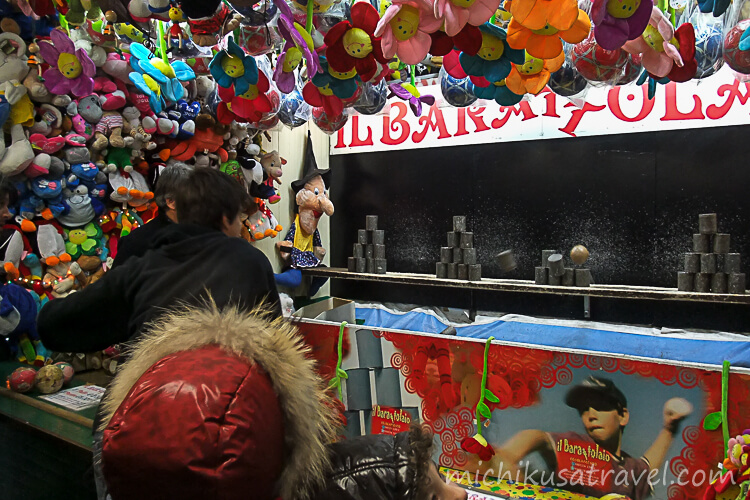
7thPiazza Navona

Fountains, churches, and palace façades line this elongated square, adding a theatrical scene to walks through central Rome. It is easy to reach on foot from the Pantheon area, and the atmosphere changes throughout the day.For details about the highlights, opening hours, admission fees, and more at Piazza Navona, please see the article below.
 Piazza Navona: Highlights, Opening Hours, Fees and Getting ThereDiscover Piazza Navona’s history, architecture, scenery, displays and other highlights, along with its opening hours, fees, and how to get there, based on official information and on-site reporting as of October 2026.michikusatravel.com
-
8thCapitoline Museums
This museum occupies the palaces surrounding Piazza del Campidoglio. Inside, visitors can view ancient Roman sculptures, including the Capitoline Wolf.
| Musei Capitolinimuseicapitolini.org -
9thTrastevere
This district on the west bank of the Tiber is lined with cobbled lanes and ochre-colored buildings. You can enjoy exploring on foot while visiting churches and piazzas and stopping at restaurants and cafés.
Rione XIII - TrastevereIl “popolare” Rione XIII – Trastevere è il più esteso di Roma ed è molto amato dai cittadini e dai turisti che, tra...www.turismoroma.it -
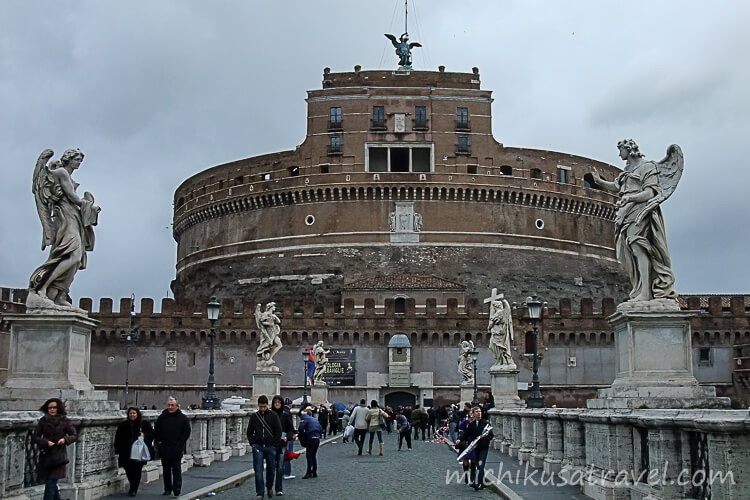
10thCastel Sant'Angelo

Standing along the Tiber, Castel Sant'Angelo was begun by Emperor Hadrian as his mausoleum and completed during the reign of his successor, Antoninus Pius. It was later used as a fortress, allowing visitors to trace Rome's history from antiquity through the age of the popes in one place.The article about Castel Sant'Angelo provides a detailed introduction to the building's highlights and history, its transformation from mausoleum to fortress, opening hours, admission fees, and access.
 Castel Sant’Angelo: Highlights, Opening Hours, Prices, and AccessThis guide covers the highlights of Castel Sant’Angelo, including Emperor Hadrian’s mausoleum and its history as a fortress, as well as opening hours, prices, tickets, and access, based on official information and on-site research as of 2026 10.michikusatravel.com
-
11thAppian Way Regional Park
This park preserves mausoleums and various ruins along the ancient road. Walking through it, you can enjoy a historic landscape of ancient Rome, where the road and ruins stretch into the distance.
Parco Regionale dell'Appia Antica | BenvenutiIl sito ufficiale del Parco Regionale dell'Appia Antica, il parco urbano più grande d'Europa in un'area naturale pr...www.parcoappiaantica.it -
12thArchbasilica of Saint John Lateran
This basilica is the seat of the Bishop of Rome. Its broad nave is lined with enormous statues of the Apostles, and an ancient baptistery can also be visited alongside the basilica.
 Archbasilica of Saint John LateranOfficial site of the Papal Archbasilica of St. John Lateran, the oldest of the four major papal basilicas and the t...www.basilicasangiovanni.va
-
13thBasilica of Saint Mary Major

It is one of Rome's four major basilicas. It is also conveniently close to Roma Termini station.In 1309, the papal court moved to Avignon, a rural town in France, under pressure from France. This event is known as the Avignon Papacy. The papacy returned to Rome in 1377, and the Basilica of Saint Mary Major served as the pope's temporary residence at that time. The pope later moved to the Vatican.
 Papal Basilica of Saint Mary MajorWelcome to St Mary Major, the spiritual heart of Christianity and Marian devotion, one of the four Papal Basilicas ...www.basilicasantamariamaggiore.va
-
14thPiazza di Spagna

This is a place in central Rome where you can enjoy the view extending from the square up to the church of Trinità dei Monti on the hilltop. The Spanish Steps are known as the place where the princess played by Audrey Hepburn ate gelato in the film Roman Holiday. In the foreground is the Fontana della Barcaccia, created by Gian Lorenzo Bernini.
After climbing the Spanish Steps, you can look down over the square and the surrounding cityscape from in front of the church of Trinità dei Monti.The article below provides a detailed introduction to highlights such as the Spanish Steps and the Fontana della Barcaccia, ways to spend time there, and information to know before your visit.
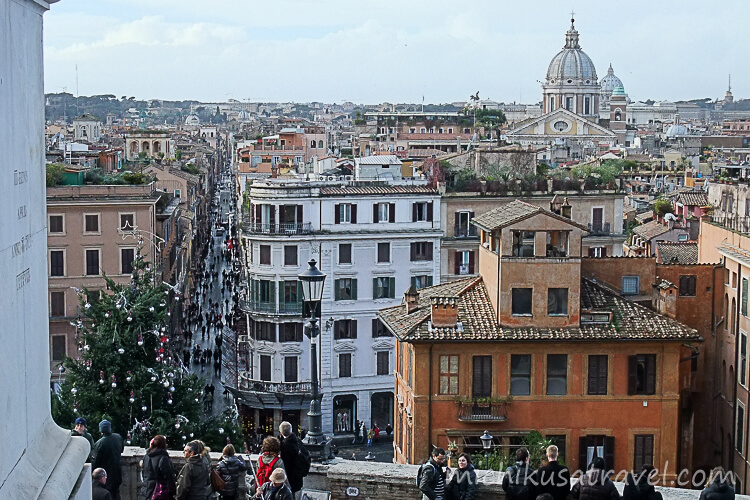 Spanish Steps: highlights, admission fees, time required, and accessThis guide covers attractions such as the Spanish Steps and the Fontana della Barcaccia, along with prices, time required, and access, based on official information and local research as of 2026 10.michikusatravel.com
-
15thBaths of Caracalla
These are the ruins of a large bath complex built in ancient Rome. You can walk through the extensive remains and appreciate the scale of the entire facility as you explore.
Pagina non trovata – Soprintendenza Speciale Archeologia Belle Arti e Paesaggio di Romawww.soprintendenzaspecialeroma.it -
16thVictor Emmanuel II National Monument

This monument commemorates the unification of Italy under Victor Emmanuel II. It is also known as the Altar of the Fatherland (Altare della Patria). VIVE | Vittoriano e Palazzo VeneziaIl sito web ufficiale del VIVE, istituto del Ministero della Cultura che sorge a piazza Venezia, nel cuore di Romavive.cultura.gov.it
-
17thNational Roman Museum (Palazzo Massimo)
This national museum is housed in Palazzo Massimo. Its galleries display ancient Roman art and archaeological materials, allowing visitors to view a wide range of works and artifacts in one facility.
https://www.museonazionaleromano.beniculturali.it/en/palazzo-massimowww.museonazionaleromano.beniculturali.it -
18thBasilica of Saint Paul Outside the Walls
This basilica stands outside Rome's walls. As you walk through its broad nave lined with long rows of columns, you can see medallions depicting successive popes.
Homebasilicasanpaolo.org -
19thPiazza del Popolo

This square marks the starting point of the Via Flaminia, one of the Roman roads and the most important route connecting Rome with northern Italy.The striking twin churches, Santa Maria in Montesanto and Santa Maria dei Miracoli, were built in the 17th century.
Piazza del PopoloMonumentale ed elegante piazza, al vertice in cui si incontrano via del Babuino, via di Ripetta ewww.turismoroma.it -
20thVilla Borghese
This garden stretches across central Rome. Within the grounds, you can visit museums, a lake, and sculptures, and enjoy a leisurely walk along tree-lined paths.
Villa Borghese | sovraintendenzaromawww.sovraintendenzaroma.it


View ranks 21 and below (14 entries)
-
21thPiazza del Campidoglio
The top of Capitoline Hill, one of Rome’s Seven Hills, is now Piazza del Campidoglio, surrounded by Rome City Hall (Palazzo Senatorio) and the Capitoline Museums (Palazzo Nuovo and Palazzo dei Conservatori).The Via Sacra (Sacred Way) in the Roman Forum connects Piazza del Campidoglio (Capitoline Hill) with the Colosseum.
Piazza del CampidoglioLa prima piazza che la Roma moderna ha visto nascere secondo i criteri di un progetto uniforme, dovuto al genio diwww.turismoroma.it -
22thChurch of San Luigi dei Francesi
This church is near Piazza Navona. In the Contarelli Chapel, you can view Caravaggio’s series of paintings depicting Saint Matthew up close.
 Accueil - Saint Louis des FrançaisSite officiel de l'église Saint-Louis-des-Français, église nationale de la France à Rome, à la fois paroisse, lieu ...saintlouis-rome.net
-
23thChurch of Sant'Ignazio
Sant'Ignazio is a Jesuit church in the Campo Marzio district. You can see Andrea Pozzo’s ceiling fresco “The Glory of Saint Ignatius” and a trompe-l'œil dome that looks architectural.
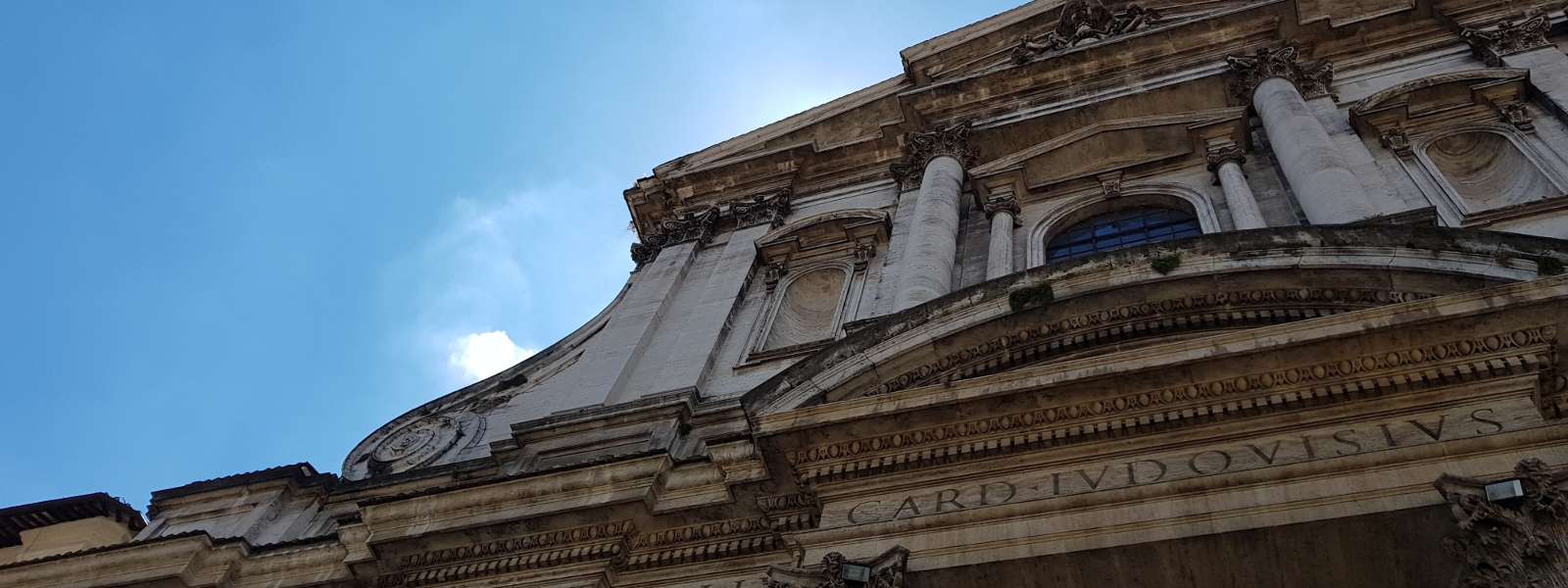 Chiesa di sant’Ignazio in Campo Marzio - RomaLa chiesa di sant’Ignazio a Roma è dedicata al fondatore della Compagnia di Gesù. Ospita la tomba di san Luigi Gonz...chiesasantignazio.it
-
24thQuirinal Palace
It stands on Quirinal Hill, one of Rome’s Seven Hills. It was built in 1583 as a palace for Pope Gregory XIII. Gregory XIII is known for adopting the Gregorian calendar, commonly called the “AD calendar.”
Today, the palace is used as the official residence of the president.Pagina di errorepalazzo.quirinale.it -
25thColonna Palace
This is the palace of Rome’s prestigious Colonna family. As you tour its magnificent halls, including the Hall of Mirrors, you can view the palace’s collection of paintings.
 HomePalazzo Colonna è uno dei più grandi e antichi palazzi privati di Roma. La sua costruzione inizia nel XIV secolo pe...www.galleriacolonna.it
-
26thMouth of Truth
It is preserved and displayed at the Basilica of Santa Maria in Cosmedin. It is believed to have originally been an ancient Roman manhole cover.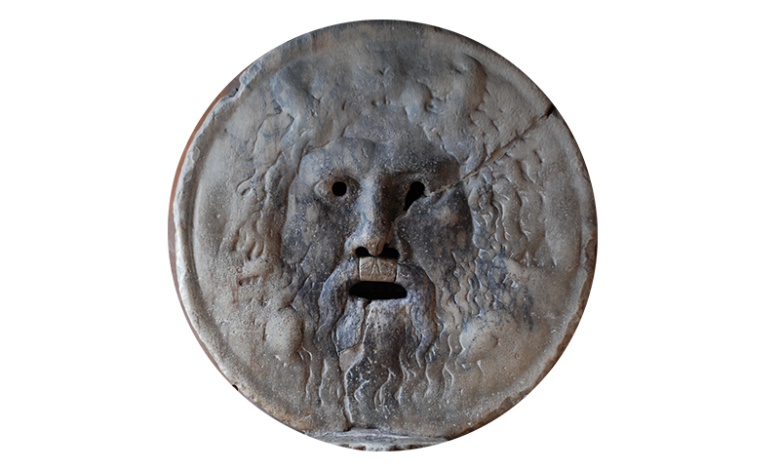 Bocca della Verità - Basilica di Santa Maria in CosmedinLa Bocca della Verità esposta nel porticato della Basilica di S. Maria in Cosmedin a Roma, è una grande formella sc...cosmedin.org
-
27thTiber Island
This church stands on Tiber Island.This historic district is located on an island in the Tiber. You can cross the bridges on foot and visit churches and other sights.
Isola TiberinaL’Isola Tiberina, unica isola urbana del Tevere, lunga circa 300 metri e larga circa 90, è collegata alle sponde de...www.turismoroma.it -
28thCircus Maximus
This vast archaeological site occupies the former location of ancient Rome’s largest stadium. Walking among the surviving remains gives you a sense of the site’s enormous former scale.
Circo Massimo | sovraintendenzaromasovraintendenzaroma.it -
29thArch of Constantine
This triumphal arch was built to commemorate Constantine I’s victory over Maxentius at the Battle of the Milvian Bridge.The Roman Forum preserves the remains of a site said to have been planned by Maxentius and completed by Constantine I.
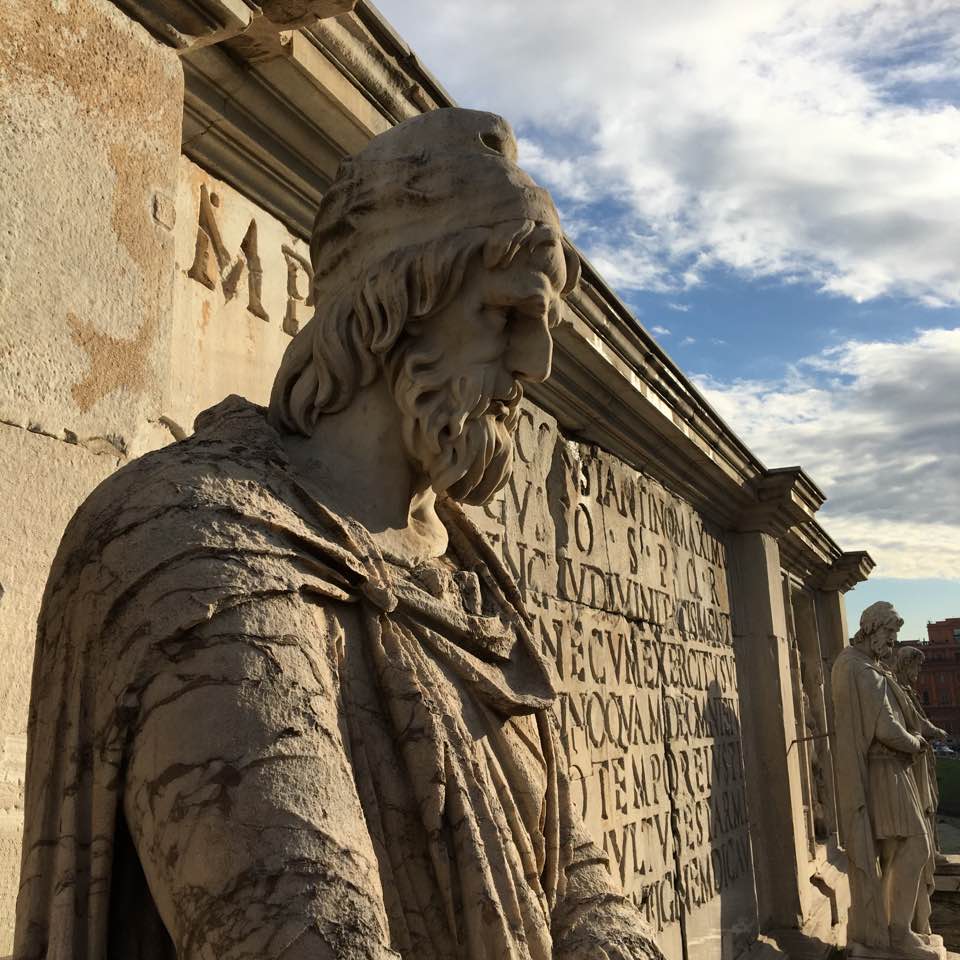 Arch of Constantine and Meta Sudans - Parco archeologico del ColosseoThe Arch of Constantine is in the Parco archeologico del Colosseo. It stood along the triumphal processions, betwee...colosseo.it
-
30thPonte Sant'Angelo
This bridge over the Tiber dates back to ancient Rome. A row of angels from Bernini’s workshop leads visitors toward Castel Sant’Angelo.
Ponte Sant'AngeloAnticamente Ponte Sant'Angelo era denominato Ponte Elio, dal nome dell'imperatore Elio Adriano che lo volle edifica...www.turismoroma.it -
31thPalazzo delle Esposizioni
This is a rare example of Neoclassical architecture in Italy. It was completed in 1883. Managed by the City of Rome, it is used as a cultural center and exhibition venue for various events. Palazzo Esposizioni RomaPalazzo Esposizioni Roma è il più grande spazio espositivo nel centro della città di Roma. Produce e ospita mostre ...www.palazzoesposizioniroma.it
-
32thPonte Cestio
This bridge connects Trastevere on the Tiber’s west bank with Tiber Island in the middle of the river. As you cross it, you can enjoy views of the river and island joined together.Ponte CestioEdificato intorno al 46 a.C., Ponte Cestio collega l’Isola Tiberina allo sturismoroma.it -
33thPiazza di Pietra
The enormous columns of the Temple of Hadrian stand out. It was once used as Rome’s stock exchange, but Italy’s stock exchange was consolidated in Milan and the Rome exchange was closed. Today, the Rome Chamber of Commerce uses it for meetings and workshops.Piazza di PietraLa piazza deve il suo nome alla presenza dei resti dell’antico Hadrianeum, grande tempio dedicato all'imperatore Ad...www.turismoroma.it -
34thWelcome to Rome
This interactive facility offers projections and videos displayed on a three-dimensional model. It visually traces how the city of Rome developed from antiquity to the present day.
Welcome to Rome – Lo spettacolo interattivo che racconta romawelcometo-rome.it


Rome’s Cuisine
The information below was checked against official sources on October 11, 2026. Please also check the latest information on the official website when planning your trip.
Roman specialties

Tomato-braised oxtail (Coda alla Vaccinara)This traditional Roman dish consists of oxtail braised with celery in tomatoes until tender.

Roman-style artichokes (Carciofi alla Romana)are prepared this way. In the Jewish style, artichokes are deep-fried, while the Roman style involves simmering them with garlic, herbs such as mentuccia, water, and olive oil. Artichokes are considered a luxury ingredient in Japan, but in Italy they are an everyday food that is readily available everywhere. Their tender, fluffy texture, distinctive bitterness, and rich flavor may make them addictive after just one taste, even though they are somewhat unusual.

You can’t go wrong with authentic Italian gelato.
- Carbonara: an iconic Roman pasta made with eggs, guanciale, Pecorino Romano, and black pepper.
- Cacio e pepe: a simple Roman pasta seasoned with Pecorino Romano and black pepper.
- Amatriciana: a pasta sauce made with guanciale, tomatoes, Pecorino Romano, and black pepper.
- Carciofi alla giudia: fried artichokes originating in Jewish-Roman cuisine.
The table features dishes typical of Roman cuisine, such as stewed meat, artichokes, and pasta made with sheep’s milk cheese.

Rome’s renowned restaurants
Armando al Pantheon
This family-run restaurant was founded by Armando Gargioli in 1961 and is now operated by the 3rd generation of the Gargioli family. It specializes in traditional Roman cuisine that makes the most of high-quality ingredients, including amatriciana, carbonara, Roman-style tripe, and saltimbocca.
Official website

Salumeria Roscioli
This establishment on Via dei Giubbonari combines a grocery shop and a restaurant. It offers classic Roman dishes along with a wide selection of cheese, salumi, and wine.
Official website

Transport in Rome
The information below was checked against official sources on October 11, 2026. Please also check the latest information on the official website when planning your trip.
Much of central Rome can be explored on foot, but it is efficient to combine the metro, trams, and city buses starting from Termini Station.
Railway
Roma Termini is a major station for long-distance and regional trains serving destinations throughout the country, as well as an interchange hub for Metro lines A and B. Roma Tiburtina is also used as a major railway station.

Subway, trams, and buses
ATAC publishes route maps for Rome’s public transportation. Maps are available for the city center, the entire city, the metro and urban railways, trams, and night routes.

Airport access
The Leonardo Express connects Fiumicino Airport station with Roma Termini station without stopping along the way. The regional FL1 line stops at Trastevere, Ostiense, Tiburtina and other stations.
Sample itinerary for Rome
You need at least 3 full days to explore Rome together with Vatican City.
Even with 3 days, you will need to choose which places to prioritize. Rome has an abundance of attractions, and they are also spread across a wide area.
Rome – Day 1
Open the same route in Google Maps
ローマ・テルミニ駅からサンタ・マリーア・マッジョーレ教会、コロッセオ、フォロ・ロマーノ、パラティーノの丘を巡るコースです。主ルートは徒歩約2.6km・約36分で、遺跡の見学時間を十分に確保します。
Loading the map.
- ①ローマ・テルミニ駅 → ②サンタ・マリーア・マッジョーレ教会Calculating the route in Google Maps
ローマ・テルミニ駅から観光をスタートします。もちろん前泊の場合や、日中移動の場合もあると思いますので、必要に応じてアレンジしてください。Piazza dei Cinquecento、Via Giovanni Giolitti、Via Cavourを通って歩き、サンタ・マリーア・マッジョーレ教会に着きます。ヴァティカンのサン・ピエトロ大聖堂などと並んで、「ローマの四大バシリカ」の一つです。
- ②サンタ・マリーア・マッジョーレ教会 → ③コロッセオCalculating the route in Google Maps
Via di S. Maria Maggiore、Via Cavour、Via degli Annibaldiを通って歩き、階段を経てコロッセオへ向かいます。サンタ・マリーア・マッジョーレ教会のすぐ近くには地下鉄の駅がないので、地下鉄を利用する場合は教会から南へ約6分歩き、Cavour駅から乗ってコロッセオ(Colosseo)駅で降りる形になります。もしサンタ・マリーア・マッジョーレ教会をパスする選択をするなら、テルミニ(Termini)駅からコロッセオ(Colosseo)駅まで、ダイレクトにアクセス可能です。
- ③コロッセオ → ④フォロ・ロマーノCalculating the route in Google Maps
コロッセオに隣接するフォロ・ロマーノの入口へ向かいます。コロッセオと、フォロ・ロマーノ、パラティーノの丘は共通チケットです。コロッセオのチケット売り場は混むため、フォロ・ロマーノのチケット売り場を利用するのが賢明です。
- ④フォロ・ロマーノ → ⑤パラティーノの丘Calculating the route in Google Maps
Via in Mirandaから南東へ歩き、パラティーノの丘へ向かいます。フォロ・ロマーノとパラティーノの丘はとても広く、観光に時間がかかります。コロッセオの営業時間に間に合うように、時間を調整する必要があります。コロッセオの営業時間は季節や日によって細かく決まっているので、チェックしておいてください。コロッセオ観光の所要時間は、30分~1時間程度を見ておけばよいでしょう。
The ruins of the Roman Forum and Palatine Hill, along with how to explore them on foot, are introduced in the article below.
For information about the Palatine Hill’s attractions, opening hours, tickets, and more, please see the article below.
Rome – Day 2
Open the same route in Google Maps
真実の口からカンピドリオの丘、パンテオン、トレヴィの泉、スペイン広場を経てポポロ広場まで歩くコースです。主ルートは徒歩約3.9km・約56分で、各スポットの見学時間を別に見込みます。
Loading the map.
- ①真実の口 → ②カピトリーノ美術館Calculating the route in Google Maps
真実の口があるサンタ・マリア・イン・コスメディン教会から2日目の観光をスタートします。真実の口は大変混むので、朝一番が良いでしょう。斜め横から見るだけならお金もかからず、列に並ぶ必要もありませんが、口に手を入れて写真を撮るには、2ユーロと待ち時間が必要です。Via Luigi PetroselliとVia del Teatro di Marcelloを通って北東へ歩き、カンピドリオ広場(カンピドーリョ広場)のカピトリーノ美術館に入館します。目力の強いコンスタンティヌス大帝(コンスタンティヌス1世)や、狼の乳を飲むロムルスとレムスの兄弟に出会ってください。ロムルスは、ローマ神話の中でローマを建国したとされる初代のローマ王で、「ローマ」という都市の名前も彼に由来しています。
- ②カピトリーノ美術館 → ③サンタ・マリア・イン・アラコエリ教会Calculating the route in Google Maps
Via delle Tre Pileを通って南西へ歩き、サンタ・マリア・イン・アラコエリ教会(Basilica di Santa Maria in Aracoeli)へ向かいます。
- ③サンタ・マリア・イン・アラコエリ教会 → ④パンテオンCalculating the route in Google Maps
階段を通り、Piazza d'Aracoeli、Via d'Aracoeli、Piazza del Gesù、Piazza della Minervaを経て西へ歩き、パンテオンに着きます。天井に空いた丸穴から光の差し込む様子や、雨粒の落ちる様子が時間帯や天候によって変化します。通常の観光入場は有料です。
- ④パンテオン → ⑤トレヴィの泉Calculating the route in Google Maps
Via del Seminario、Piazza S. Ignazio、Via di Pietra、Via delle Muratteを通って北へ歩き、トレヴィの泉に着きます。人込みをかき分けて、泉の中にコインを落としてきてください。ローマ市の財源になります。
- ⑤トレヴィの泉 → ⑥スペイン広場Calculating the route in Google Maps
Via della Stamperia、Via del Nazareno、Via di Sant'Andrea delle Fratteを通って歩き、スペイン広場に着きます。映画のようにジェラートを食べたくなるところですが、飲食は禁止されているので注意してください。
- ⑥スペイン広場 → ⑦ポポロ広場Calculating the route in Google Maps
Via del Babuinoを通って北西へ歩き、ポポロ広場に着きます。ローマ街道の起点となった場所です。時間と体力しだいでは、ポポロ広場をパスするという選択肢もあるかもしれません。あるいはスペイン広場近くのSpagna駅から、ポポロ広場近くのFlaminio駅まで、地下鉄で移動してもいいかもしれません。1駅だけの移動ですが。
Rome – Day 3
Open the same route in Google Maps
3日目はローマというより、ヴァティカン観光がメインです。ヴァティカン美術館からサン・ピエトロ大聖堂、サンタンジェロ城を経てナヴォーナ広場まで、主ルートは徒歩約2.6km・約35分です。
Loading the map.
- ①ヴァティカン美術館 → ②サン・ピエトロ大聖堂Calculating the route in Google Maps
まずはヴァティカン美術館に入館します。とても混むので、朝一番で行くとしても予約をしておいた方がよいでしょう。システィーナ礼拝堂が最大の見どころです。続いてカトリックの総本山、サン・ピエトロ大聖堂を拝観します。「サン・ピエトロ」は「聖ペトロ」という意味ですが、ペトロはイエス・キリストの最初の弟子で、初代のローマ教皇と位置づけられています。ベルニーニの大天蓋や、ミケランジェロ設計のクーポラなどが見どころです。待ち時間と入場料は必要ですが、クーポラの上は上ることもできます。
- ②サン・ピエトロ大聖堂 → ③サンタンジェロ城Calculating the route in Google Maps
使用が制限されている道路を通ってイタリア側へ出て、Via Paolo VI、Via della Conciliazione、Lungotevere Castelloを経由し、サンタンジェロ城に向かいます。イタリア戦争の時代、ローマ教皇クレメンス7世が、神聖ローマ皇帝カール5世の軍から身を隠した場所です。
- ③サンタンジェロ城 → ④ナヴォーナ広場Calculating the route in Google Maps
Parco Adrianoから北へ進み、Piazza dei TribunaliとPonte Umberto Iを通ってナヴォーナ広場に着きます。サンタンジェロ城から南に続くサンタンジェロ橋は、眺めたい場合に立ち寄れる場所で、橋を渡ってナヴォーナ広場へ向かうこともできます。ナヴォーナ広場では、ジャン・ロレンツォ・ベルニーニ作の「四大河の噴水」が見どころです。ここではジェラートを食べたり、できるだけゆっくり時間を使った方がいいかもしれません。
Roman Detours
We introduce scenes we happened to encounter in Rome and landscapes that suddenly caught our attention.

At the center of a narrow, fan-shaped plot of land hemmed in by buildings stood a small Catholic church called "Santa Barbara dei Librai".


The church visible beyond Castel Sant'Angelo Bridge is St. Peter's Basilica in the Vatican.
Railway Carriages

This is an ETR450 of the Italian State Railways that was stopped at Roma Termini station. As the first mass-produced Pendolino (tilting train), it was a notable train that achieved a commercial top speed of 250km/h. It entered commercial service in 1988 and was retired in 2015. Its charming form and historical significance give it something in common with Japan's 0 Series Shinkansen. The 0 Series began operation in 1964, so their periods of service differed.
This is an ETR460 of the Italian State Railways that was stopped at Roma Termini station. It belongs to the 2nd generation of Pendolino trains. Although it is an older train, it operates as Frecciabianca.