Highlights of Mibu-dera Temple
Mibu-dera is the head temple of the Risshū school, founded in 991. Its principal object of worship is the Life-Prolonging Jizō Bodhisattva, and it has long been revered as a temple for warding off misfortune and inviting good fortune. It is also known for Mibu kyōgen, Mibu-zuka associated with the Shinsengumi, and the Setsubun-e festival, which has a history of approximately 900 years.
Main Hall and Pagoda of a Thousand Buddha Statues
The main hall houses a standing statue of the Life-Prolonging Ksitigarbha Bodhisattva, an Important Cultural Property transferred from Tōshōdaiji Temple. The Sen-tai-buttō Pagoda near the main hall was created by stacking stone Buddhist statues collected during Meiji-period district redevelopment and similar projects in a cone shape, and has become a distinctive feature of the temple grounds.
Setsubun-e Festival

Mibudera Temple's Setsubun Festival has long been observed as a ritual to ward off misfortune. In the background is the Thousand Buddha Pagoda, built from stacked stone Buddha statues.

When the goma wood is burned, white smoke rises and blankets the entire temple grounds.

As monks look on, flames and white smoke rise from the ritual altar piled with cedar branches.

Behind the drums, the flames of the goma ritual flare up, filling the temple grounds with the distinctive tension of Setsubun-e.
Mibu Kyogen and the Great Nembutsu Hall
The Great Nenbutsudō Hall, an Important Cultural Property also known as the “Kyōgendō,” presents Mibu kyōgen on its 2nd-floor stage. Mibu kyōgen is masked theater with a history of approximately 700 years and has long been affectionately known as “Mibu’s Kandenden.” Performance dates are limited, so check the schedule if you wish to attend.
The Mibu Burial Mound and the Shinsengumi
During the late shogunate period, when the Shinsengumi maintained its headquarters in Mibu, the grounds of Mibu-dera were used for military training and other purposes. Mibu-zuka contains a bust of Isami Kondō, a memorial tower holding his hair, the graves of unit members including Kamo Serizawa and Gorō Hirayama, and a collective memorial grave. The History Archive in the basement of Amida-dō displays materials related to mibu kyōgen and the Shinsengumi.
Basic Information about Mibu-dera Temple
The information below was checked against official sources on September 30, 2026. Please also check the latest information on the official website when planning your trip.
- 🔗 Official website
- Check information about the temple grounds, Mibu-zuka, the Shinsengumi, mibu kyōgen and annual events.
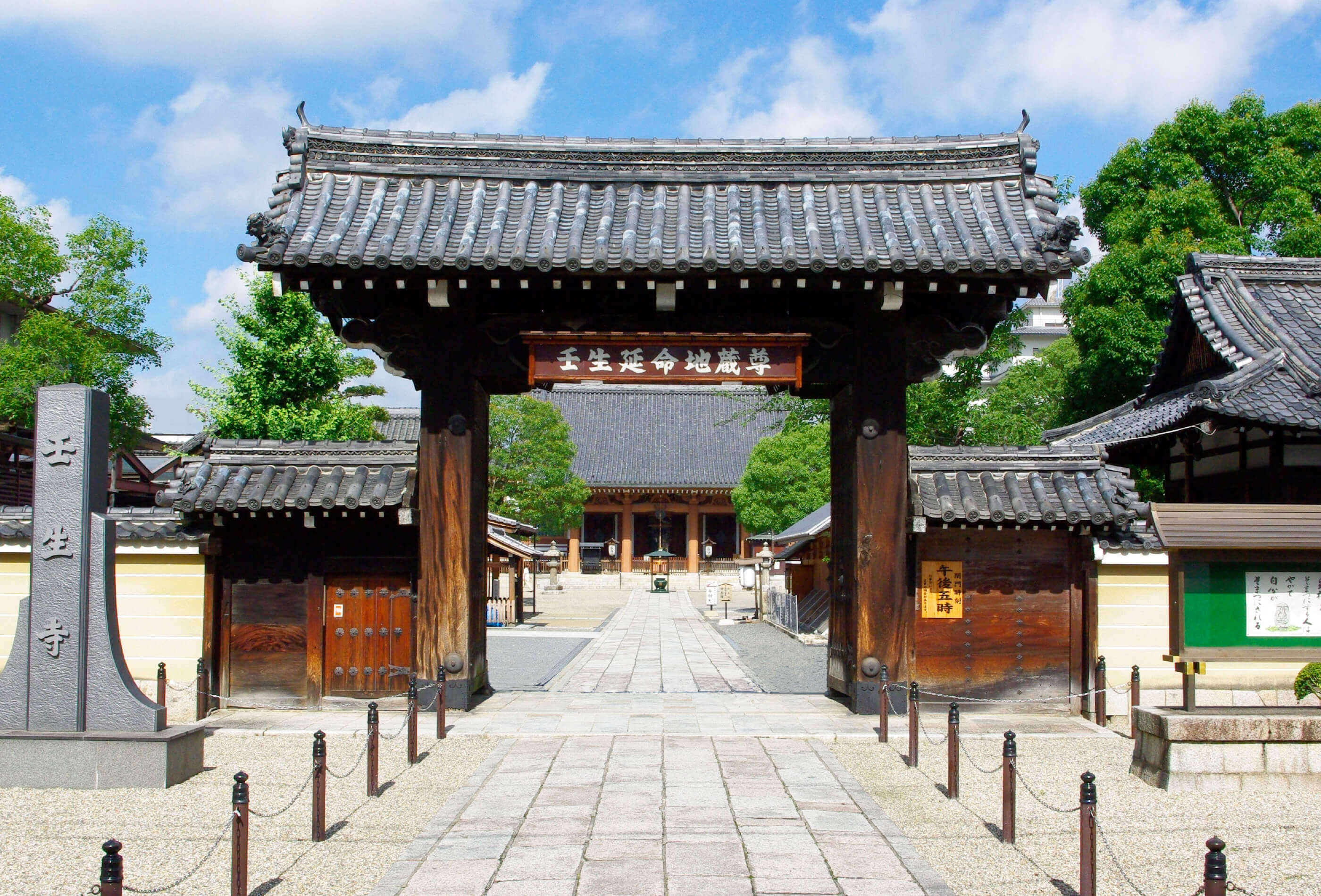 壬生寺鑑真和上縁の律宗・壬生寺は正暦二年(九九一)、快賢僧都によって創建された。本尊は延命地蔵菩薩(重文) であり、古来より地蔵信仰とともに、厄除・開運の寺として庶民の信仰を集め、二月の厄除け節分会は、約九百年もの歴史をもつ行事である。...www.mibudera.com
- 📍 Address
- 31 Mibu Naginomiya-chō, Nakagyō-ku, Kyoto, Kyoto Prefecture
- 🕐 Visiting hours
-
- Temple grounds: 8:00–17:00
- Mibu-zuka and the Mibu-dera History Archive: 9:00–16:00
- 💴 Admission
-
- Temple grounds: free
- Amida-dō (including Mibu-zuka and the Mibu-dera History Archive): adults 300 yen; elementary, middle and high school students 100 yen
- Events and special exhibitions: a separate fee may apply
- ⏱ Recommended time
- Allow about 1 hour to visit the temple grounds, Mibu-zuka and the history archive. If you plan to watch mibu kyōgen or attend the Setsubun celebrations, plan around the event schedule. ⚠️ Visit times vary depending on crowds, events and the area open to visitors.
Access to Mibu-dera Temple
Public Transportation
It is about a 10-minute walk from Ōmiya Station on the Hankyu Kyoto Line and Shijō-Ōmiya Station on the Keifuku Railway (Randen). It is also about a 10-minute walk from Tambaguchi Station on the JR Sagano Line, or about a 3-minute walk from the Mibudera-michi bus stop when using a Kyoto City Bus.
By car
There is no dedicated parking. Please use public transportation or paid parking lots nearby.
For attractions, transport and suggested itineraries, see “Kyoto: A guide to attractions, food, transportation, and suggested itineraries”.